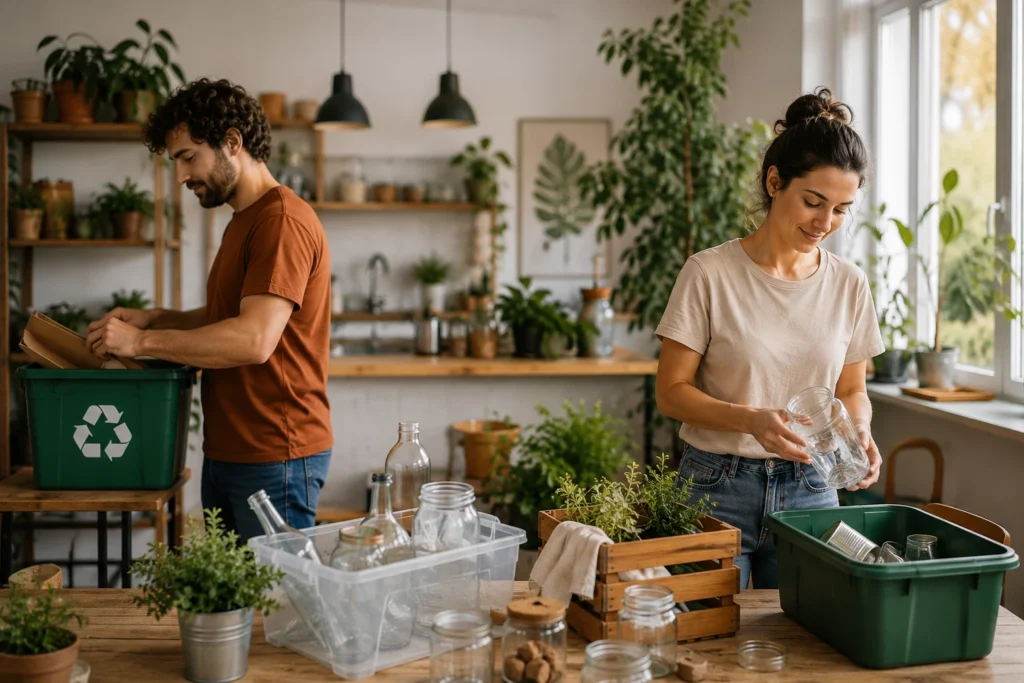
We live in a world that’s very good at making things and very bad at using them for as long as possible. The circular economy is a direct response to that problem, and it’s already changing how cities, businesses, and households operate.
So why does it feel so hard to put into practice? Largely because we’ve built a system around convenience. The way we consume today puts a steady drain on natural resources: products get made, used briefly, and discarded. Behind that pattern sits a growing environmental cost that compounds with every purchase made.
And the answer, more often than not, starts with how you live day to day. This article walks through the real, practical side of circular economy thinking and what sustainable consumption can look like for everyday Australians.
Let’s get into it.
What is Circular Economy?
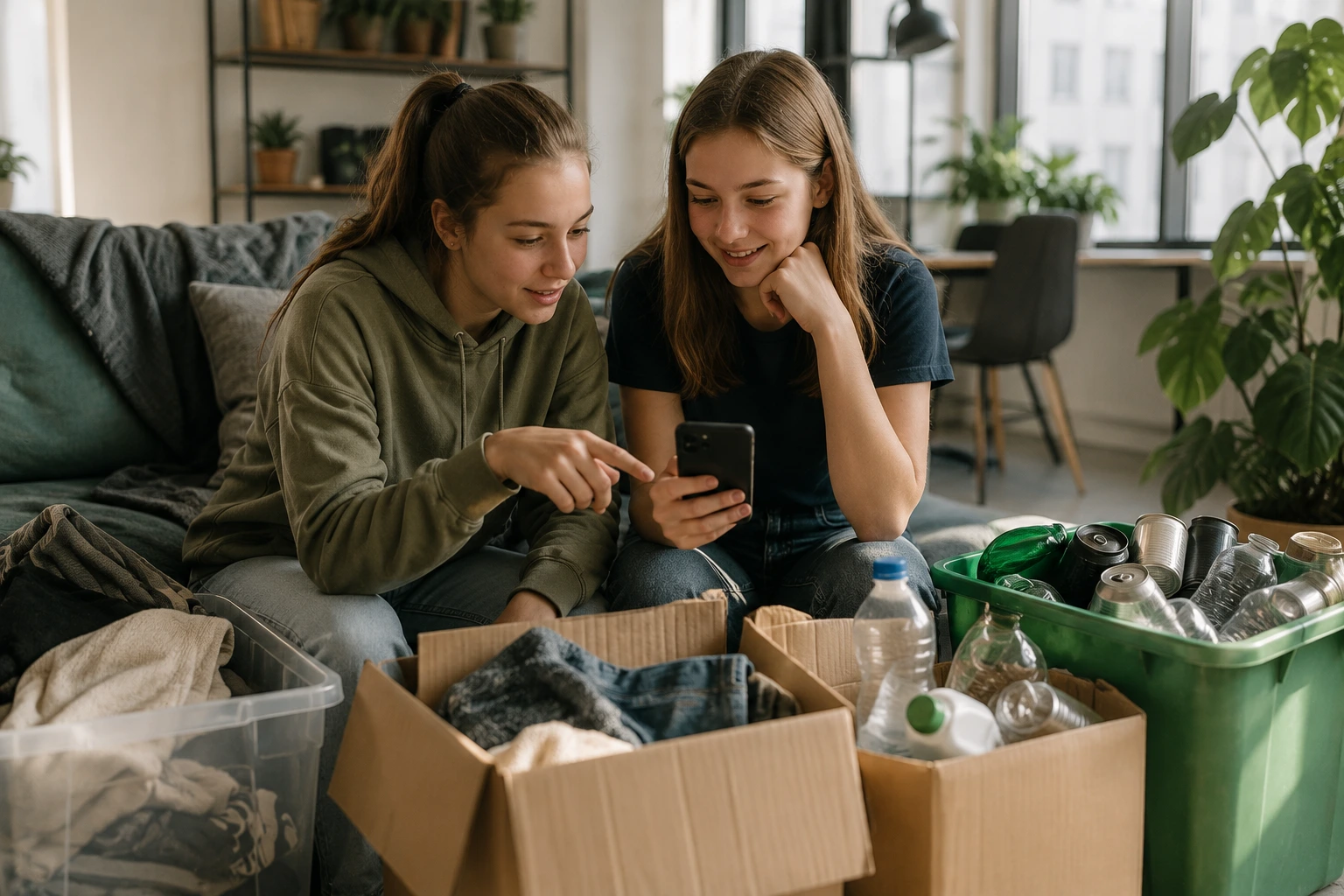
According to Sustainability Victoria, a circular economy is a system where products are designed to be repaired, reused, or recycled. That way, natural resources don’t get wasted at the end of a product’s life.
Think of it this way: the linear economy is like filling a bathtub with the drain wide open. You keep pouring in fresh water, but nothing stays. The circular economy puts the plug in and works with what’s already there.
Look, resource efficiency starts with keeping existing materials in use and cutting demand for new extraction. That directly reduces emissions, chemical pollution, and the pressure on natural resources like water, timber, and minerals. When extraction slows down, entire ecosystems that depend on those resources get a chance to recover.
Reduce, Reuse, Recycle: The Main Principles That Drive It
The world generates over two billion tonnes of waste every year, and linear consumption habits are largely to blame. Circular economy thinking addresses that head-on. At its core, circular economy thinking runs on three principles:
- Reduce Your Resource Use: The fewer products made, the less energy, raw materials, and production capacity get burned through across a product’s full life cycle. And it all starts with buying less.
- Reuse Before You Replace: One product, used multiple times, does a lot less damage than one used once. In fact, reusing keeps materials in circulation longer and cuts the need for new resources entirely.
- Recycle as a Last Resort: Recycling is the safety net rather than the solution. It recovers materials that would otherwise be lost and puts them back into circulation.
Recycling is the most widely promoted habit because it fits neatly into existing systems. The problem is, it only addresses waste after it exists. Reducing and reusing prevent that waste from being created at all, which is where the deeper environmental gains come from.
The Real Cost of Food Waste on the Environment
Not many people connect a forgotten bag of salad to climate change. The link, though, is very real. In fact, food waste generates around 8–10% of global greenhouse gas emissions every year (more than global aviation emissions combined). And those emissions are a leading driver of rising global temperatures.
Once food hits landfill, it breaks down and releases two of the most harmful greenhouse gases, carbon dioxide and methane. Methane is particularly damaging, trapping over 80 times more heat in the first 20 years after release, according to the Environmental Defense Fund.
What makes this worse is that food waste is largely preventable. Much of that preventable waste comes from households, where food is simply bought, ignored, and binned rather than eaten (not from farming or transport).
That’s why we always suggest checking your fridge before you shop. It’s the simplest way to break that cycle at home.
Can Your Old Phone Cause Environmental Damage?
Yes, and the scale of it is hard to ignore. Electronic waste is one of the most poorly managed waste streams in the world, with most of it ending up in landfill or overseas. The environmental fallout breaks down like this:
- Hazardous Materials in the Ground: E-waste contains lead, mercury, and cadmium. Those chemicals leach into soil and contaminate local water supplies when dumped incorrectly.
- Air Quality Around Dump Sites: In many developing countries, workers burn e-waste to recover metals. Because of that, toxic chemicals enter the air and cause serious respiratory damage to nearby communities.
- Recycling Infrastructure Gaps: Poor access to recycling facilities leaves hazardous materials cycling back into the environment. Over time, that disrupts ecological balance across affected regions.
Pro Tip: Before you upgrade your next device, check if your retailer runs a take-back program. Many major Australian retailers do, and that one step keeps hazardous materials out of landfill entirely.
Everyday Ways to Reduce Waste
You don’t need a complete lifestyle overhaul to make circular economy thinking work for you. Rome wasn’t built in a day, and neither is a sustainable household. Small, consistent shifts in how you consume and dispose of things are where real waste reduction begins.
Simple habits, like repairing instead of replacing and only buying the necessities, are a good place to start.
Repairing and Reusing Household Items
Repairing what you own (like a cracked phone screen or worn shoes) keeps products out of landfill and cuts the demand for new ones. That improves energy efficiency across the manufacturing sector by cutting demand for raw materials every single day.
From what we’ve seen, Australians who follow this approach save an average of $1,200 a year on household goods alone. So the habit pays off financially just as much as it does environmentally.
Buying Only What You Need
Every unnecessary purchase depletes natural resources, energy, and production capacity that don’t replenish overnight.
To put that in perspective, a single pair of jeans takes between 2,000 and 10,000 litres of water to produce. That’s roughly seven years of drinking water for one person, generated by one purchase.
Buying less and buying with purpose puts the brakes on that demand. In practice, that means asking one question before every purchase: do I need this, or do I just want it right now? When that happens, fewer resources will be extracted, less waste enters the system, and future generations inherit a planet under less pressure.
Proof It Works: Circular Economy Case Studies
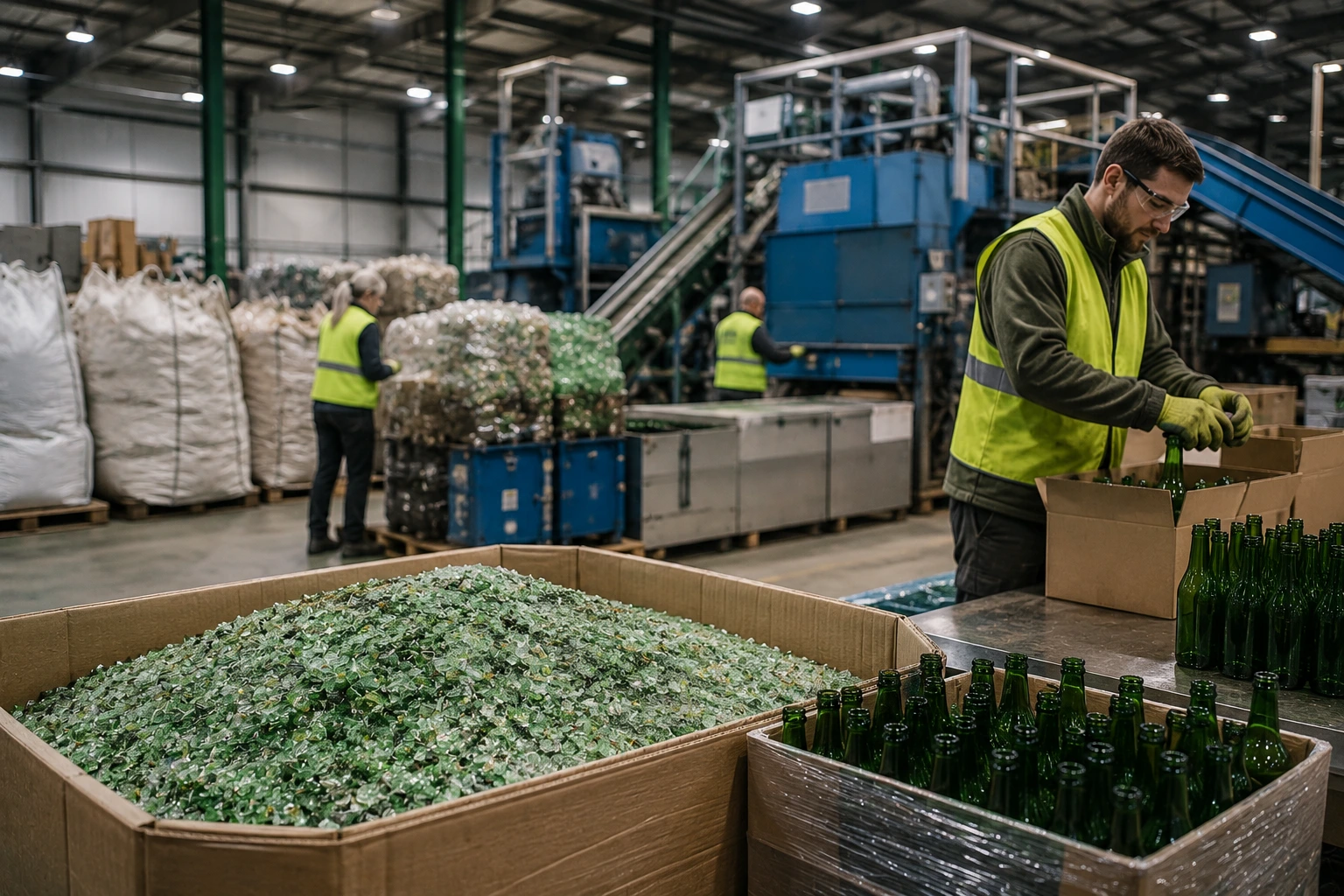
Businesses that adopt circular models cut costs and waste at the same time, and we’ve seen this play out across industries on every continent.
The benefits aren’t limited to businesses. The City of Amsterdam committed to using 50% fewer new raw materials by 2030 than it did in 2016. By treating construction waste, food production, and consumer goods as resources, the city is already seeing results across multiple sectors.
And Australia isn’t far behind. According to the Department of Climate Change, Energy, the Environment and Water, 86% of packaging that entered the Australian market in 2023-24 already had good recyclability.
Australia is actively working with governments and industry to ensure all packaging follows circular economy principles (a direct investment in long-term environmental sustainability).
Ready to Rethink the Way You Live?
By now, you’ve seen how circular economy thinking plays out across everyday life. Our current consumption habits are putting serious strain on the planet’s resources. Small daily shifts, like repairing instead of replacing and buying with purpose, are how we pull that back.
To put it in context, this article walked through the main principles of circular economy thinking, along with the environmental cost of food waste and electronic waste. The real-world examples we covered show these ideas are already delivering results.
At Eco4TheWorld, we’re here to make that process practical. Our team walks you through every sustainable practice and decision, so you always know where to start. Visit our website to keep reading.