
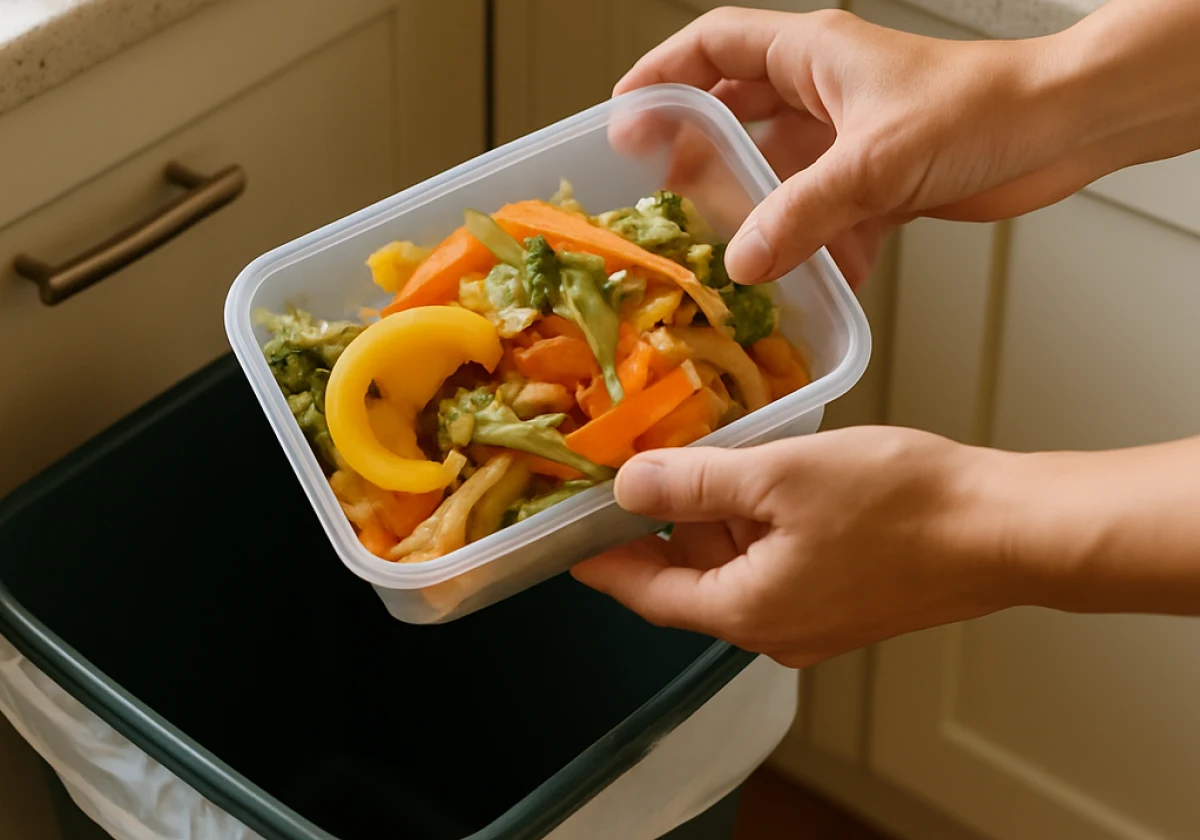
A seven-day bin audit shows which habits fill your bin and where you can reduce household waste first. After that week, you stop guessing. The sorted pile in front of you shows the problem, and the waste data you record tells you where to start.
Most of us judge our rubbish by how many bags go out, not by what sits inside them. That’s why bagged salad, bread and takeaway containers keep reappearing in the bin.
This guide covers how to sort seven days of rubbish and read the result against your shopping list. You’ll also see which swaps shrink your heaviest piles and what your council collection can’t fix.
Why Conduct a Household Waste Audit at Home?

You conduct a household waste audit to see exactly what you bin each week and which habits cause it. A full bin shows volume but not content. A sorted pile reveals the types of waste behind it, usually food scraps and soft plastic packaging. Each pile then points to a habit you can change.
Two angles make the case here: what your rubbish says about your shopping, and what business waste audits already prove.
What a Week of Rubbish Says About Your Shopping Habits
Your general waste bins list what you bought and never used, item by item. Wilted spinach, half a loaf, and a tray of mince past its date all point back to one big shop. When the same food ends up in the bin each week, it’s time to rethink how much you buy. For example, a second loaf may go untouched because nobody finishes the first.
Start by buying less of the two items you waste most often. You can make that change before adjusting anything else in your weekly routine or your shopping list.
Can Lessons From Professional Waste Audits Work at Home?
Yes, and the method barely changes once you scale it down. Professional waste audits sort office waste into named categories and weigh each one. The findings then feed into a Waste Management Plan that sets targets and bin sizes.
Businesses pay for this service to review their current disposal practices. Since costs often depend on waste volume and collection frequency, reducing unnecessary bin lifts lowers expenses. The same approach can help households identify what they throw away each week.
The main difference is how each setting uses the findings. In an office, waste audits mean matching the right bin sizes to each floor. Offices also track what it takes to increase recycling, meet regulatory compliance duties and run recycling education for staff. At home, you only need a few minutes of sorting each day, a set of scales and a decent pair of gloves.
Running Your Seven-Day Bin Audit, Step by Step
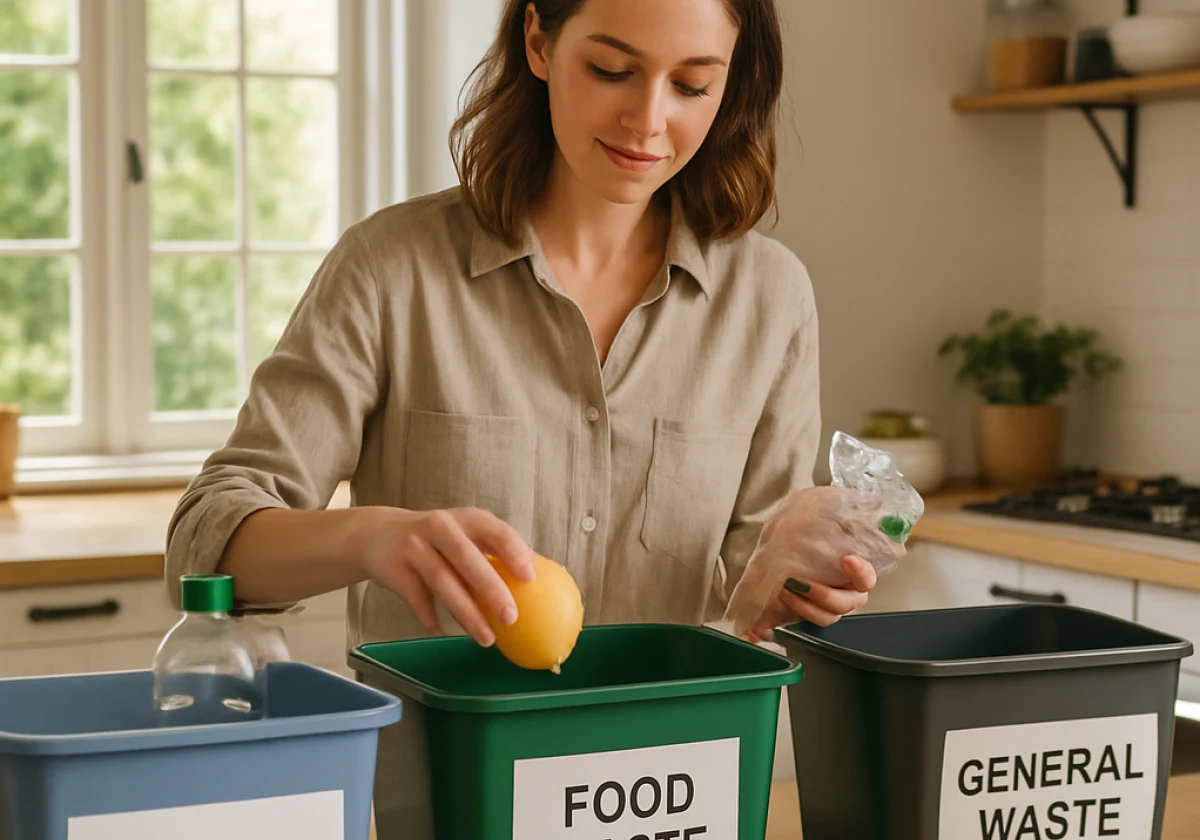
Most households guess what they throw out each week, and the sorted pile usually proves them wrong. Seven days of sorting replaces that guess with a waste audit and a list of fixes you can act on. Start on bin night so your week lines up with the truck, then work through these four steps in order.
Work through these four steps in order, starting on bin night so your week lines up with the truck.
- Set Up Three Containers: Label one for food waste, one for recycling, and one for general waste. Keep them where you cook, since an extra trip is how sorting falls apart.
- Weigh Every Bag Weekly: Bathroom scales handle this well. Weigh yourself first, then weigh yourself holding the bag. The difference gives you a baseline to compare against next month’s audit.
- Write Down Each Item: Jot the item and the reason it went in, such as ‘spoiled’, ‘packaging ‘, or ‘broken’. Those reasons split the pile into problems you can fix and ones you can’t.
- Photograph the Sorted Piles: Side by side, photos beat memory when you compare week one against week four. They also show which waste types shrink after you change one shopping habit.
Together, these four steps give you a clear record of what leaves your home. Keep the notes and photos in one place so you can compare them in your next audit.
Pro Tip: Run your audit on a normal week, not one with a party or a trip away. Odd weeks skew the result and send you chasing a problem you don’t have. Wear gloves and keep sharp items separate for health and safety.
Waste Management at Home: Reading Your Results

When the week ends, your sorted piles and weights give you a clear plan to spend less. Those numbers will point to one waste stream that dominates the rest. That stream shows your recycling needs and the first habit to change.
Compare it with your other piles and recycling streams, and keep the figures as your baseline waste data.
| Heaviest Stream | What It Usually Means | First Fix |
|---|---|---|
| Food waste | You shop before checking the fridge | Plan three meals, then shop once |
| Soft plastics | Packaged snacks fill the trolley | Buy loose fruit and bulk oats |
| Paper and cardboard | Deliveries and junk mail pile up | Flatten boxes, add a no junk mail sticker |
| General waste | Items land in the wrong bin | Check your council’s waste recycling guide |
Your heaviest row probably won’t surprise you, though seeing it weighed usually does. Food waste tops many home audits. It is also a national problem, because Australia bins about 7.6 million tonnes of food each year. Households produce roughly a third of that total, so your kitchen bin contributes to the problem.
Good waste management practices at home start with that one stream, rather than rethinking every bit of waste disposal at once. Focus on reducing food waste first to keep more out of landfill. Then, track the same category in your next audit to see if your changes are working.
Your Kerbside Service Won’t Fix What Your Habits Create
Waste reduction at home starts with a few repeatable swaps that target your heaviest stream. Council trucks take whatever you put out, but waste collection is not waste minimisation.
The easiest solutions start at the shop and in the kitchen. Loose fruit, bulk oats and your own container at the deli counter stop packaging before it reaches the bin. Flattened boxes also free up bin space and make your paper recycling easier to sort. If your council offers Food Organics and Garden Organics (FOGO) collection, a kitchen caddy keeps food scraps out of landfill.
Start with two changes you can maintain and add them to your shopping list as a reminder before you shop. Recycling plastic film needs separate handling. They tangle the sorting machines, so they don’t belong in your kerbside bin. Check whether your council runs a soft plastics recycling programme or drop-off point before you go.
You don’t need expensive equipment to reduce household waste. A shopping list, kitchen caddy and occasional recycling drop-off can become part of your routine. Over time, that routine helps you reduce waste without thinking about it.
Sustainable Living in Australia Starts at Your Bin
Seven days of sorting show you what a year of good intentions never did. The habits behind your results are the ones you can change this week. Pick one of those habits and change it before your next audit.
Schedule your repeat audit for bin night, and keep your notes and photos somewhere you will see them. Sustainable living in Australia begins when one household looks at its waste and recycling honestly. Compare each round of results to track your recycling rates and see whether your swaps support your environmental goals.
Eco4TheWorld shares practical waste solutions and green living guidance for households across Australia. Send us your audit results and your heaviest stream, and our team will help you choose the first swap to make.