
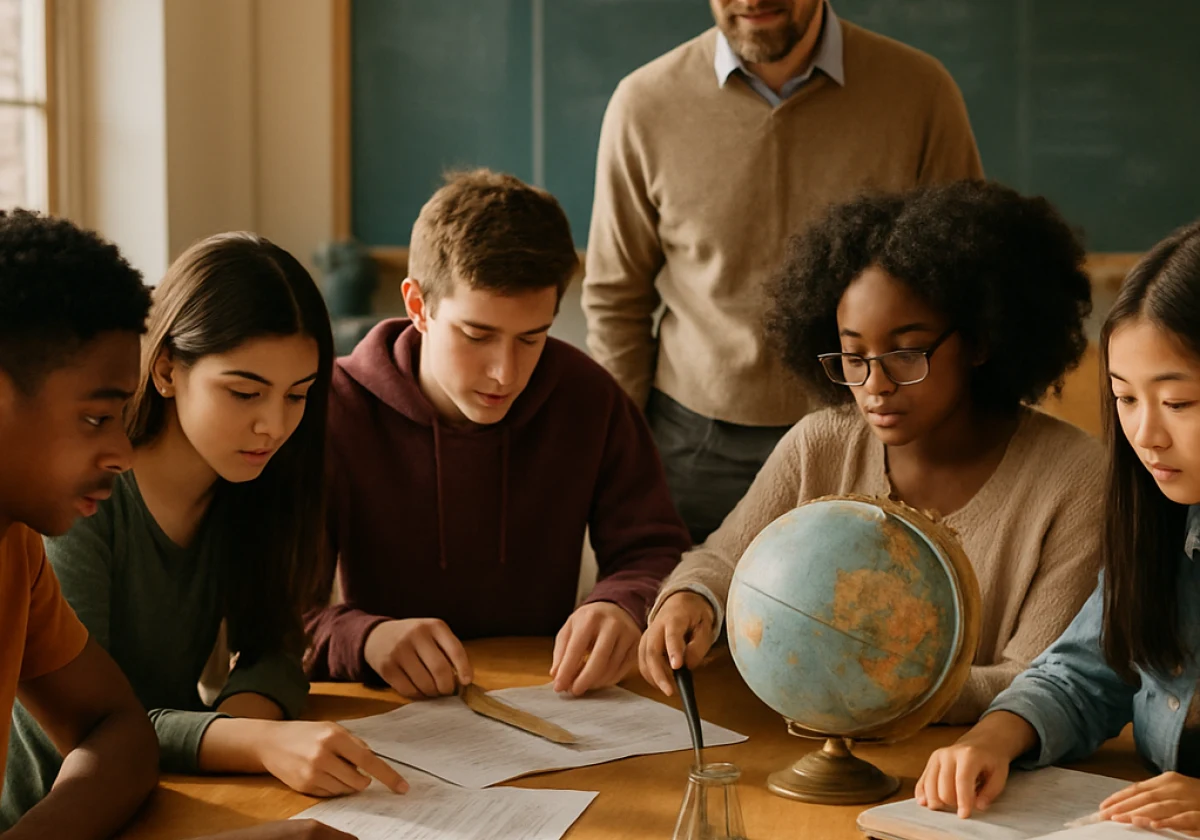
Technology education is important for future generations because it builds the digital skills, awareness, and judgement modern life demands. As technology changes, today’s students will need to understand tools and systems that don’t exist yet.
Some Australian schools may give students opportunities to use technology but don’t teach them how it works. It rarely gets taught as a subject worth the timetable slot. That gap shows up later, when young people meet tools they can use but can’t question.
This guide covers how technology education changes classrooms, protects young people online and connects to a sustainable future. Let’s get into it.
Why Does Technology Education Influence How Students Learn?
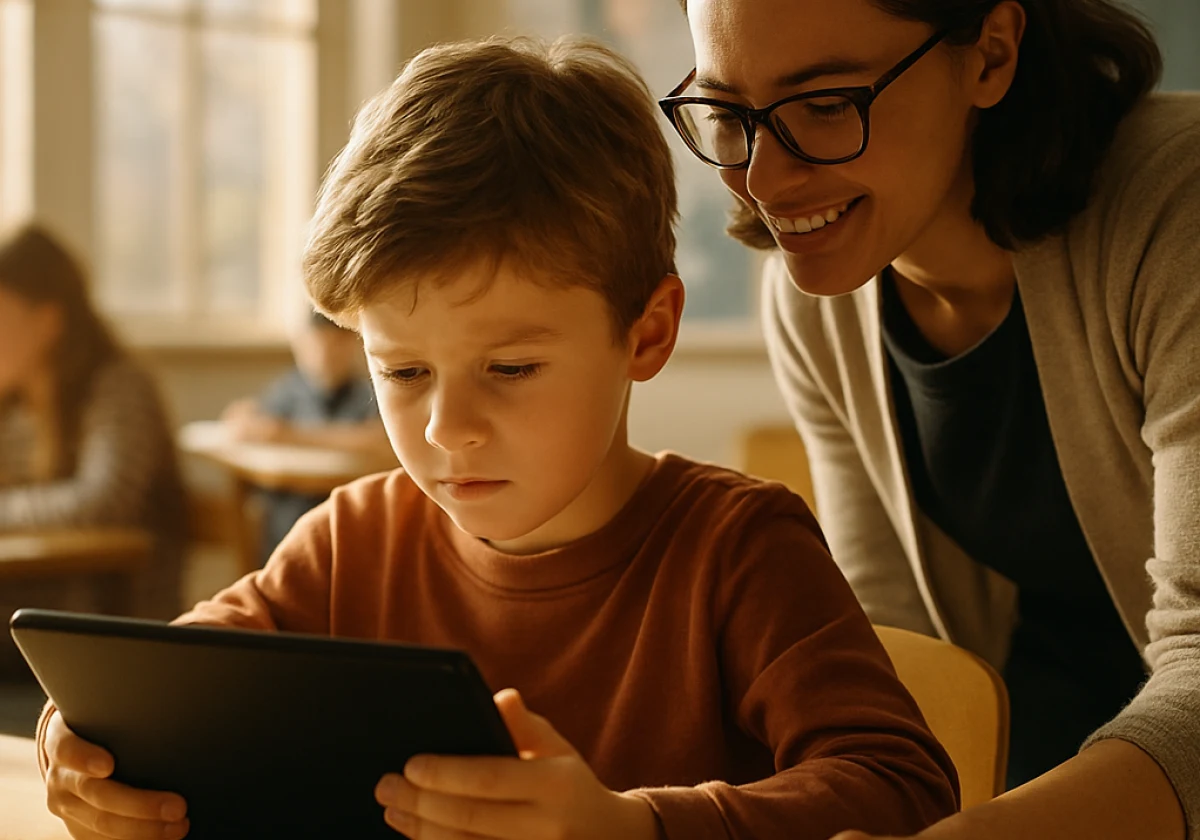
Good technology education influences how students learn by making lessons hands-on, practical and connected to the real world. The importance of technology in education rests on what students can do afterwards, rather than how many devices sit in a cupboard.
Three shifts below show where richer learning experiences begin and what they look like across a normal week.
Digital Literacy Starts Earlier Than You Think
Digital literacy now begins in early childhood, long before most children can write a full paragraph. Many five-year-olds already sort photos, follow voice prompts, and watch platforms use an algorithm to pick their next video.
As children start using digital tools at an early age, teachers introduce Digital Technologies as a proper subject instead of a wet-weather activity. Students learn what a file is, where it lives, and who else can reach it.
That groundwork pays off years later (the habits stick with them longer than the facts do). With a basic understanding of digital systems, learners can question how technology works and assess the information they find online.
Critical Thinking Grows Through Hands-On Projects
Ever wondered how hands-on projects help students develop critical thinking skills? They encourage students to identify problems, test solutions, and learn from mistakes. For example, a robot turning the wrong way forces students to examine their instructions and find the error.
In our workshops, we’ve watched project-based learning push students to debug their own reasoning rather than just correct their code. They learn to understand why something went wrong before trying again.
These skills also help students assess AI-generated information, since chatbots can give incorrect answers with confidence. The need for careful judgement is clear in recent research. According to the OECD’s 2025 PISA results, only 46% of students reported checking source credibility and trusting scientific evidence over common sense.
So if your students test claims against evidence, they’ll be able to handle AI far better than those who accept the first result they see.
Classroom Tools That Build Real Skills
Classroom tools earn their place when they leave students with practical skills that outlast the software. Spreadsheets, coding platforms like Scratch, and shared documents all offer opportunities to practice those skills.
A Kahoot quiz, for instance, can increase student engagement during a lesson, but it may not improve learning outcomes on its own. Students also need opportunities to apply what they’ve learned through practical tasks.
Alongside these familiar tools, educational technology now includes personalised learning paths and augmented reality activities, such as exploring the inside of a plant cell. Even with these newer options, their educational value depends on how students use them.
A useful way to assess any classroom resource is to ask what students can create or explain afterwards. Technology in the classroom works well when students actively participate rather than simply watch a screen.
Digital Awareness Protects Young People Online
Once those classroom habits take hold, the harder questions start outside the lesson. Most kids can swipe a screen before they can read, yet few understand what happens to their data. Every app they open records something: location, contacts, and how long they stare at a single post.
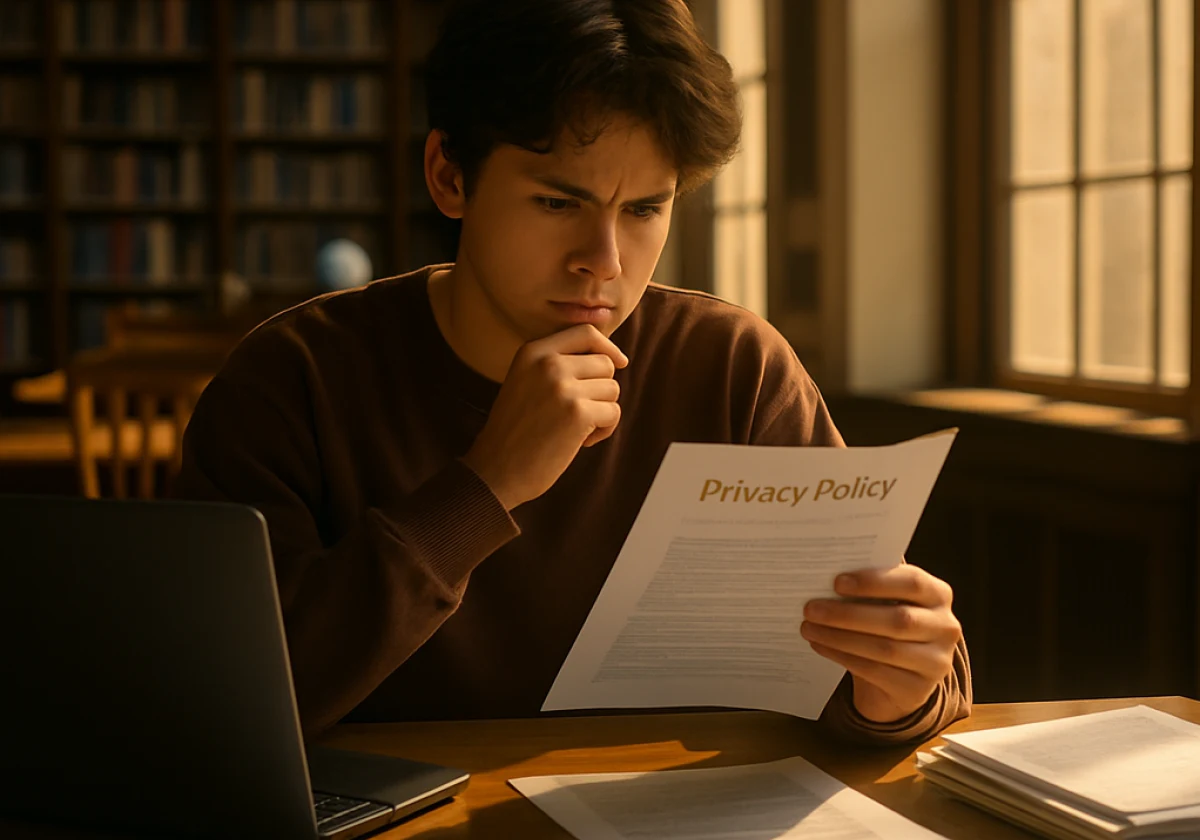
To help students understand how apps collect their data, teachers can include privacy settings in technology lessons. A class can open a privacy policy, find the data-sharing clause, and discuss whether sharing that information seems fair. In one Year 8 class we worked with, students deleted three apps that same week after reading their terms of use.
Beyond privacy, digital awareness covers how people treat each other online. As part of these lessons, students learn to report abuse, block accounts and leave group chats when conversations become harmful (walking away from a pile-on counts as a real skill).
These skills became especially relevant during the COVID-19 pandemic, when Australian schools relied heavily on online learning. Students faced challenges with internet access, digital platforms, and learning outside the classroom. The experience also showed why schools need to teach students how to use technology safely and responsibly.
Connecting Environmental Learning With a Sustainable Future
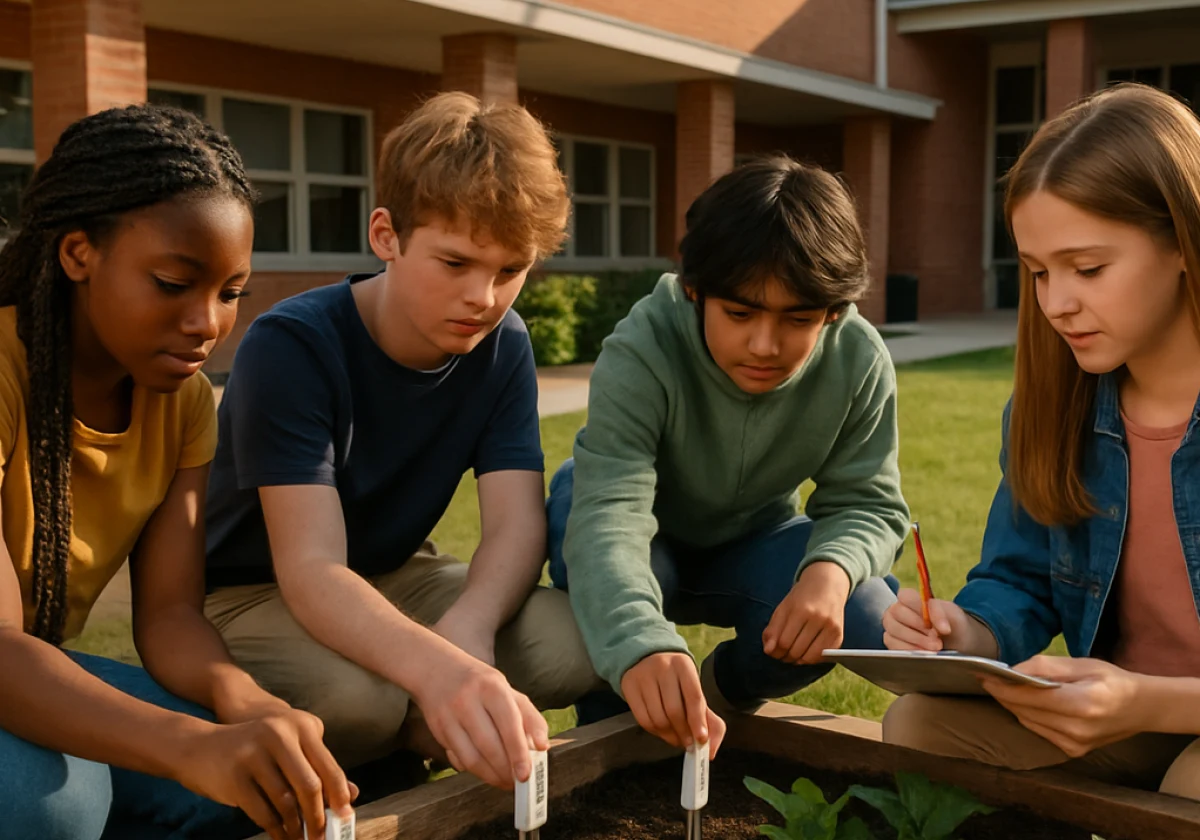
Alongside digital safety, technology education can help students understand environmental problems in their communities. Sensors, maps, and shared data give students practical ways to measure local changes and explore possible solutions.
Here are three ways students can use technology to explore environmental issues:
- Sensors Over Textbooks: Cheap air-quality and soil-moisture sensors let students collect their own readings week after week. They own the data, so the analysis stops feeling like homework.
- Mapping Local Change: Satellite imagery and free mapping tools show how a nearby creek or tree canopy has shifted since 2010. Students can compare images and present their findings to classmates or the local council.
- Energy Audits That Count: An audit of the school’s power use links maths to a bill the office pays every quarter. Teachers report students chasing standby loads and lighting schedules long after the unit finishes.
Together, these activities give students opportunities to apply technology to environmental problems they can observe firsthand. And students who measure their own patch of the world can picture the sustainable future they’re working towards.
The Digital Divide: Giving Every Student Fair Access to Technology Education
Many students still head home to slow internet, shared devices, or no computer at all. Yet discussions about technology and education often overlook these barriers. This digital divide can affect students’ ability to complete homework and participate in online learning.
The table below sets out where the divide bites hardest and what schools can do about it.
| Barrier at Home | What Students Face | Practical Fix |
|---|---|---|
| No reliable internet | Difficulty accessing online homework and learning materials | Offline resources and extended library hours |
| Shared devices | Limited time to complete assignments on a family computer | Take-home device loans for the term |
| Low digital confidence | Parents may struggle to help with logins or setup | Short family sessions run by staff |
Quick Tip: Before introducing new technology, schools should check whether students can access the required devices and internet connections. An education technology budget should also account for learners who need extra support at home.
Addressing these barriers gives more students the opportunity to develop digital skills and prepare for future study and work.
Start Building Tomorrow’s Skills Today
Technology education prepares young people to use digital tools responsibly and solve practical problems. Although access and online safety remain concerns, schools can help students develop these skills through regular lessons and hands-on activities.
As we’ve discussed, digital literacy, critical thinking, and environmental projects all have a place in technology education. Schools can begin with one small project, using local data to help students investigate problems and share their findings.
At Eco4TheWorld, we share practical ideas and information about sustainability and environmental awareness. Explore our website for inspiration on bringing environmental topics into everyday learning.