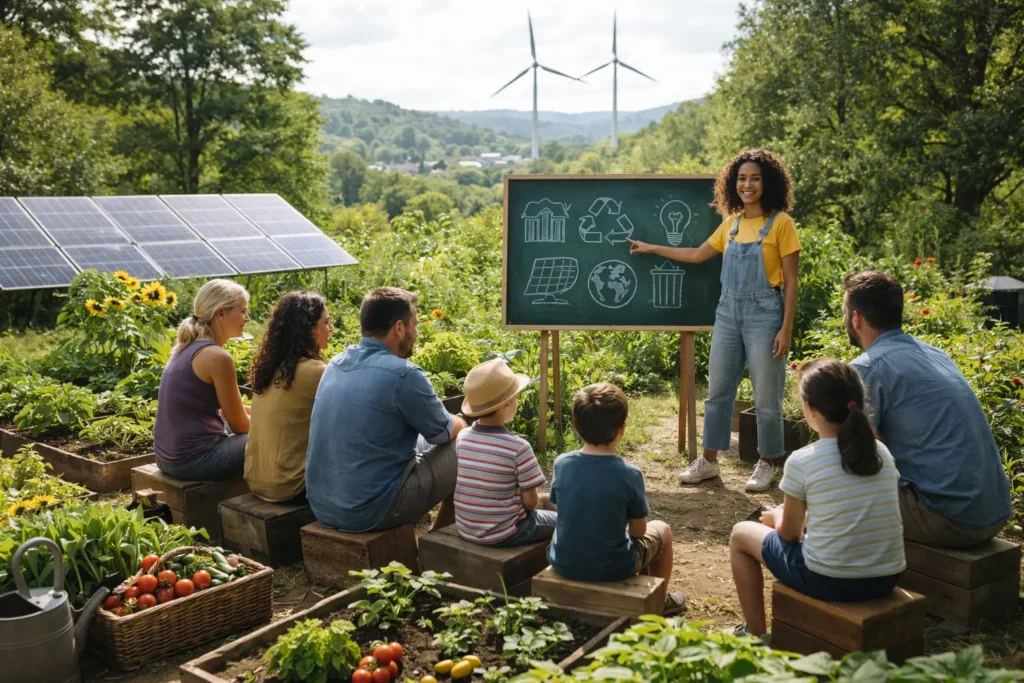
Sustainability education is important because it gives people the knowledge to turn environmental awareness into real, everyday action. Most of us grew up without it in the classroom, and honestly, that gap still shows up in how we make decisions today.
We are aware that you care about the planet, but the information out there is often too technical, too alarming, or too vague to act on. That frustration is completely understandable.
In this article, we cover why sustainability learning drives long-term behaviour change, and what most people get wrong about climate change. We also discuss which environmental issues deserve your attention, and how to stay genuinely informed going forward.
Let’s get into it.
What Is Sustainability Education and Why Should You Care About It?
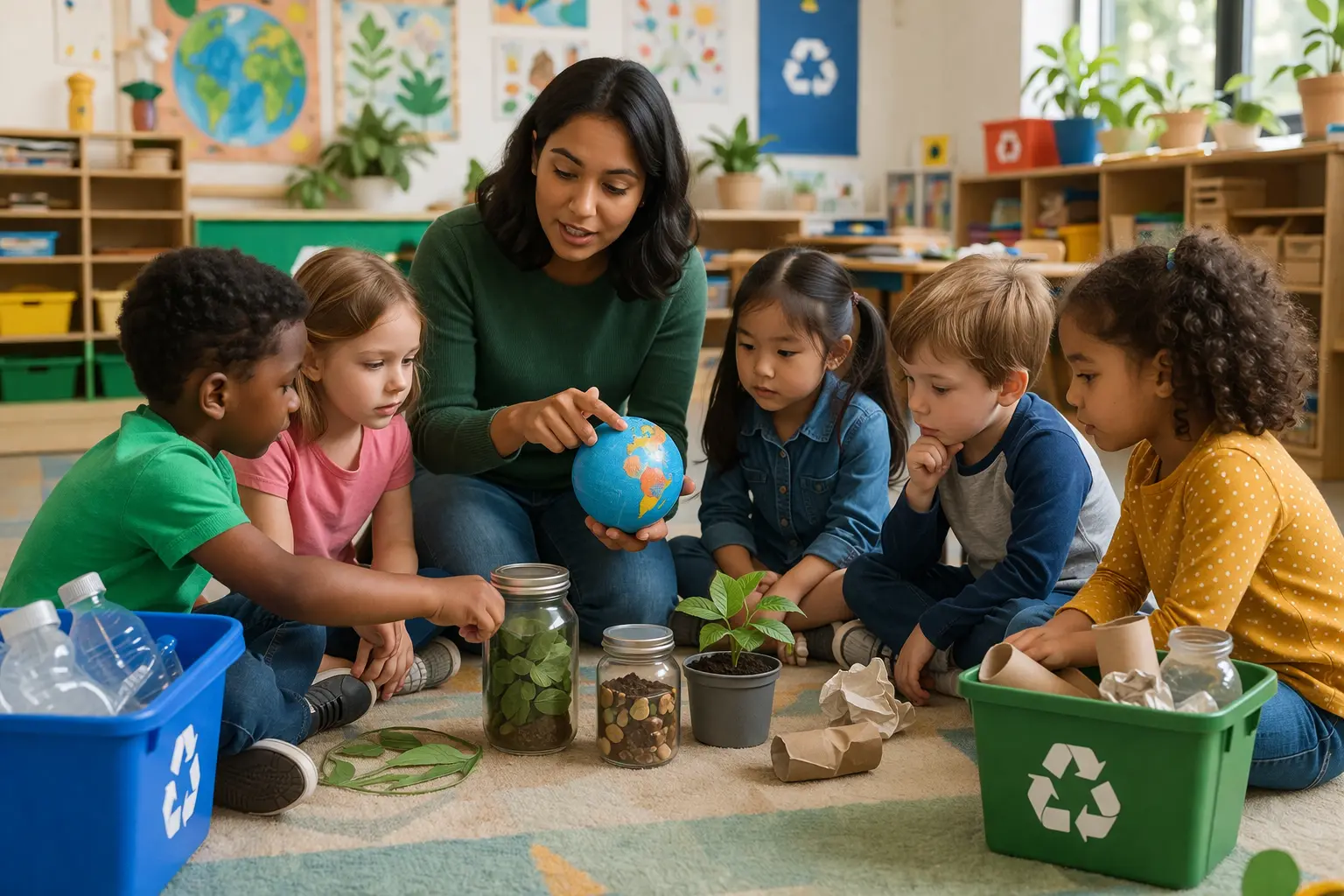
Sustainability education teaches people how their choices affect the environment and what they can do about it. Without that knowledge, most people are left guessing, and guessing rarely leads to consistent action.
At its core, sustainability education covers climate change, resource use, and waste reduction, connecting each topic directly to everyday decisions. For Australian students, structured sustainability programs are already making this kind of learning a standard part of the school experience.
That foundation is what separates informed action from good intentions that never quite land.
How Environmental Awareness Drives Real Behaviour Change
Environmental awareness drives behaviour change by replacing vague concern with specific, actionable knowledge. Most Australians care about the environment, yet few fully understand how their daily habits connect to broader environmental outcomes.
That’s exactly what awareness-based education addresses. Let’s discuss exactly how:
- Connecting Choices to Consequences: Most people don’t realise that residential energy use is one of the top contributors to Australia’s national greenhouse gas emissions. Once that link clicks, sustainability stops feeling like someone else’s job.
- Breaking the Overwhelm Cycle: When everything feels urgent, nothing gets done. Environmental awareness works by narrowing the focus, helping people identify the two or three changes in their daily life that move the needle on their personal environmental impact.
- Building Habits That Stick: Let’s be real. A one-off article or social media post rarely changes behaviour for long. What we’ve consistently found is that people who regularly engage with sustainability education start making different choices naturally, from what lands in their shopping trolley to how they use energy at home.
That all starts with one thing: getting informed. And as it turns out, climate change education is an area where most people have more to learn than they expect.
Climate Change Education: What People Are Getting Wrong
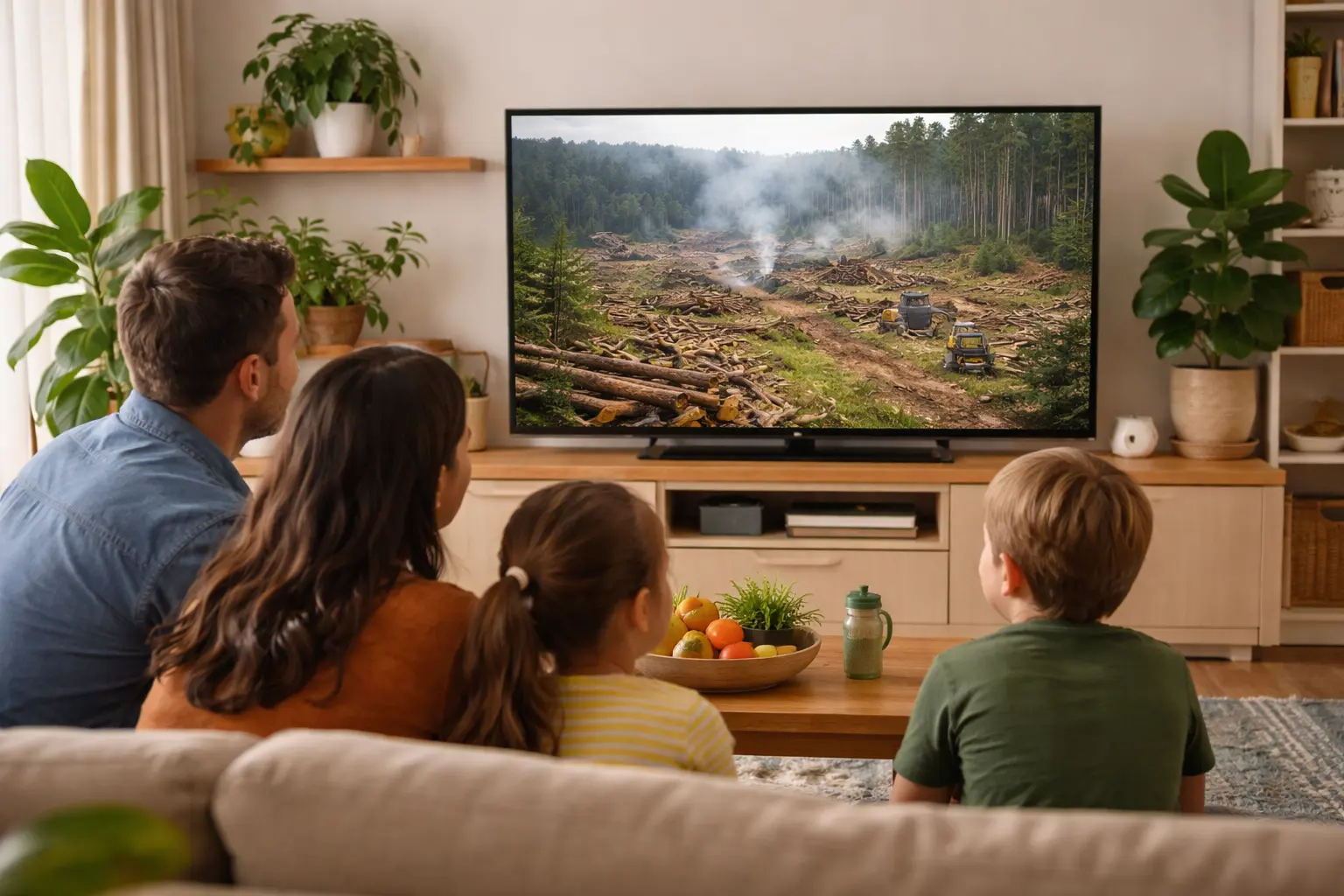
Here’s a reality check: a lot of climate change education stops at “things are bad” and never gets to “here’s what helps.” That leaves people feeling informed enough to worry, but not informed enough to do anything useful about it.
The problem isn’t a lack of interest. It’s these three consistent gaps in understanding:
- Overlooking Personal Energy Habits: A lot of people assume climate change is a corporate problem. But Australian households are big contributors to national emissions through everyday energy use. That means your daily habits, like how you heat your home, count more than most people realise.
- Treating It as a Future Problem: It’s easy to think of climate change as something the next generation will have to sort out. The thing is, it’s already here. Longer droughts, more intense bushfire seasons, and rising sea temperatures are happening across Australia right now, not somewhere down the track.
- Skipping Solutions-Based Learning: Learning about climate change doesn’t mean sitting through more bad news. In reality, good climate action education focuses on what truly works, and the Climate Change Authority is a solid example of what practical, solutions-based guidance looks like.
The best way to start is by getting climate change education right. But it’s only the beginning.
Environmental Issues You Should Know About in 2026
Yes, climate change dominates most environmental conversations, but plastic pollution, deforestation, and water scarcity are affecting Australia too. However, they are getting far less attention than they deserve.
Here’s what’s worth knowing:
Other Environmental Issues Worth Your Attention
Plastic pollution clogs waterways, deforestation strips biodiversity, and water scarcity is already a reality for many Australians (the Great Barrier Reef doesn’t get a do-over). Each issue ties directly back to daily consumer choices, and that’s exactly where individual action counts.
How Renewable Energy Helps
Renewable energy is a practical starting point, and Australia’s solar exposure makes it more accessible here than almost anywhere else. The Australian Government’s energy resources offers free guidance on household options. Even small changes in how you power your home chip away at your carbon footprint over time.
With a clearer picture of these environmental issues, the next step is figuring out how to promote environmental awareness in your own everyday life.
How to Promote Environmental Awareness in Your Everyday Life
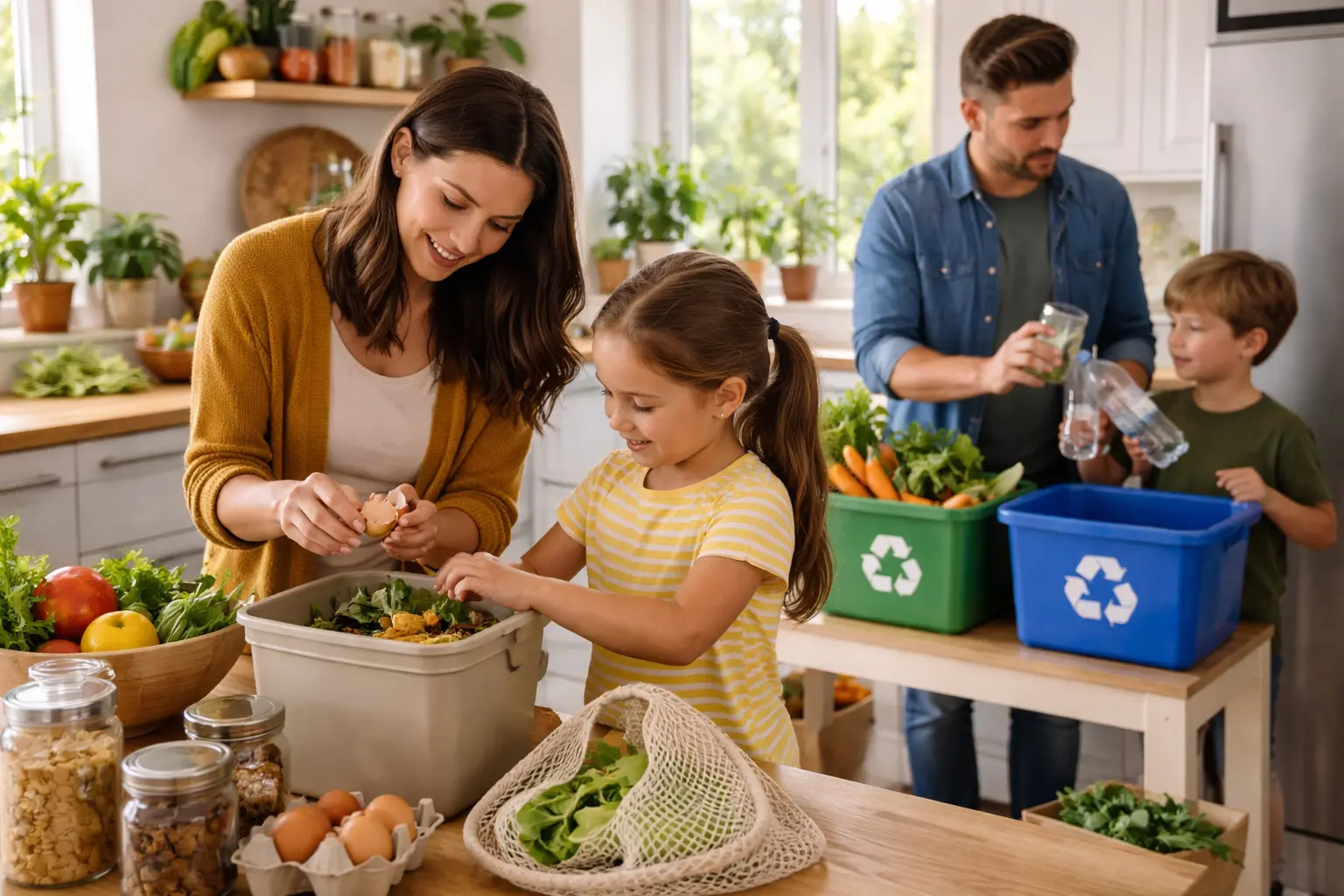
The most effective way to promote environmental awareness is to start where you already are. Your home, your conversations, and your purchasing decisions all count. These are three areas where consistent, informed action creates real change over time.
Take a look at what’s also happening:
Simple Habits for Real Life
A practical green living guide always starts at home, and the smallest changes tend to have the longest reach. Talking about what you’ve learned with family or colleagues, for instance, normalises greener habits in a way that no campaign or advertisement ever quite manages.
Do that consistently, and your household’s relationship with the environment starts to look very different over time.
Eco-Friendly Products: Do They Help?
Eco-friendly products are worth buying, but the label alone doesn’t tell you much (Tote bag in hand, car still running. We’ve all seen it). A lot of products use terms like “natural” or “eco” freely, with no certification behind them whatsoever.
That’s why checking for recognised Australian standards before purchasing is worth the extra minute. It saves money, cuts through the greenwashing, and means every purchase you make actually aligns with what you care about.
Habits and purchases sorted. Now let’s talk about where to find information you can trust.
Time to Put It Into Practice
Sustainability learning gaps are common, but they’re also fixable. With the right resources behind you, understanding environmental issues, cutting through greenwashing, and staying informed all start to feel far less overwhelming.
This article covered a lot of ground. We talked about why sustainability education drives behaviour change, what most people get wrong about climate change, and how small daily habits can genuinely promote environmental awareness. It’s more connected than it looks.
At Eco4TheWorld, our team takes you through everything you need to live more sustainably. We offer reliable resources, clear guidance, and practical tools built for real life. Keep in mind that every informed choice you make counts toward a more sustainable future.