
Going plastic-free becomes easier when you make changes that suit your daily routine and budget. Most people drop half their plastic-free attempts within three months. In practice, convenience beats good intentions every time.
It’s no wonder 430 million tonnes of plastic waste are generated globally each year, which averages 28kg per person worldwide. Meanwhile, some changes to reduce plastic waste become second nature after a month.
In this article, we’ll cover which plastic-free lifestyle tips people can maintain long-term and which get abandoned too soon. We’ll also discuss how cutting single-use plastics saves you money, and the way borrowing items cuts plastic packaging waste.
Let’s find out which habits stay and which ones you can skip without the guilt.
Plastic-Free Lifestyle Tips That Stay Long-Term
The changes that last are the ones that save you money or require zero extra effort. Most commonly, bar soap, reusable coffee cups, and cloth rags all fall into this category because they slot into your existing routine without making life harder.
Take a look at how they can be your best choice to start this habit.
Bar Soap and Reusable Coffee Cups
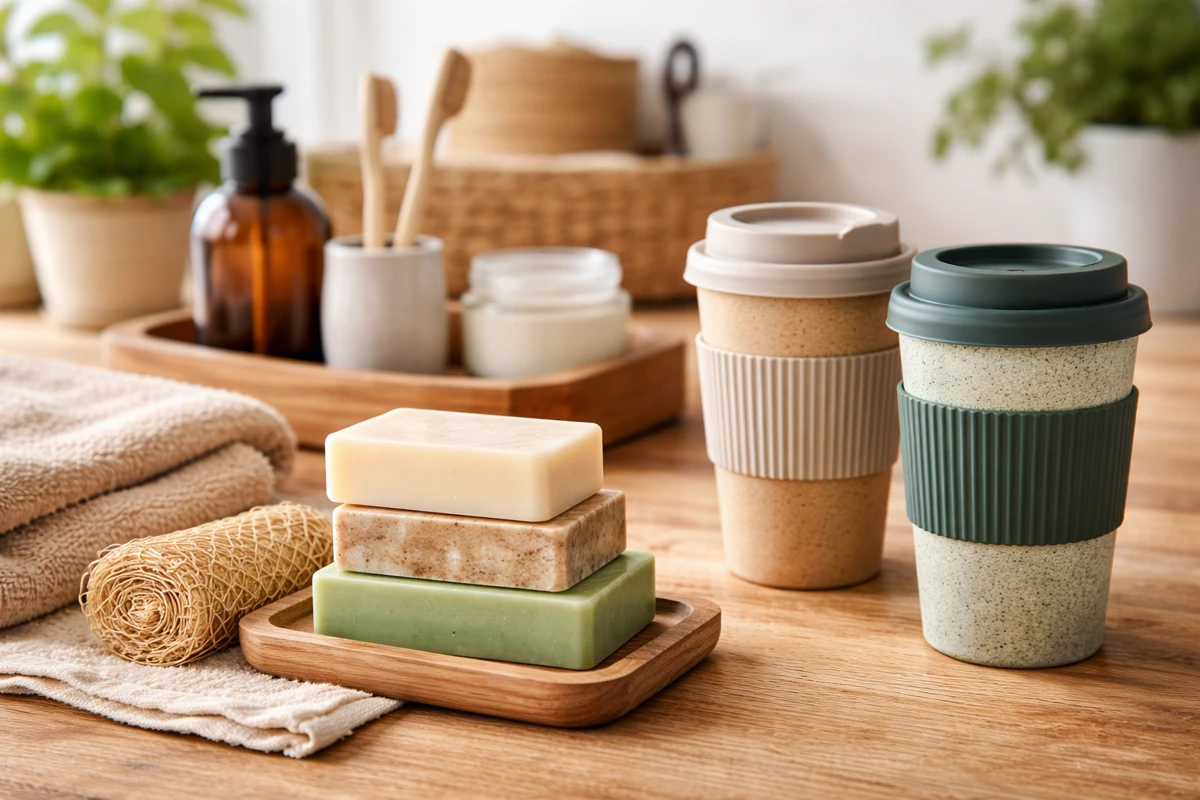
Bar soap costs less than body wash in a plastic bottle and lasts twice as long in the shower. In fact, one bar replaces three bottles of liquid soap over the same period. Whereas reusable coffee cups save you money at your local café and keep hundreds of disposable coffee cups out of bins yearly (give it a crack for just one week).
These changes require zero lifestyle adjustments. You still shower daily and grab your morning coffee the same way, just without the plastic packaging piling up.
Paper Towels vs Cloth Rags: What Saves You Money
One pack of cheap tea towels replaces a year’s worth of paper towels for kitchen spills. We’ve seen people try this for months, and they say cloth rags handle messes better than any cleaning products on a paper sheet.
You can just toss them in the washing machine after (not the most exciting task, admittedly). Plus, the upfront cost pays itself back in about two months if you’re a heavy paper towel user.
Most importantly, this plastic-free change cuts packaging waste from all those deliveries of paper rolls.
Which Plastic-Free Habits Do People Quit Too Soon?
People most often quit habits like carrying reusables, buying in bulk, and avoiding packaged convenience items because they feel inconvenient to maintain daily. Most people start with good intentions, but drop the habits when they feel inconvenient in the first week.
This is where most people bail out:
- Laundry Detergent Sheets: These confuse people because they don’t foam up like liquid laundry detergent does initially. We’ve watched dozens of families attempt this change. And most of them switch back within a month, thinking the sheets aren’t being cleaned properly. In reality, they clean just as well without all the plastic packaging from bottles.
- Coffee Pods: Most people love the idea of cutting single-use plastics from their morning routine. But then reality hits when you’re rushing to work, and those coffee pods in the plastic container look awfully convenient compared to cleaning a reusable container and grounds.
- Bamboo Toilet Paper: This feels different at first, which makes families get back on track to standard rolls. Mainly, the texture throws people off, even though it breaks down better and skips the plastic wrapping that regular toilet paper comes in.
- Plastic-Wrapped Produce: We see shoppers try to buy loose vegetables instead of pre-packaged ones in plastic packaging. Meanwhile, grocery stores bundle everything in single-use plastics. So people just give up and grab the cardboard box of bagged carrots instead.

The bottom line is, people quit when the plastic-free option adds even five minutes to their routine. However, if you can give these changes a full month, that will gradually start to feel normal.
How Your Carbon Footprint Drops When You Use Less Plastic
Using less plastic lowers your carbon footprint by reducing the emissions tied to plastic production, transport, and waste processing. Plastic is basically made from fossil fuels, so cutting usage directly cuts upstream emissions.
Let’s look at the numbers:
- Plastic Bottles Take Massive Energy: Producing one plastic bottle uses 2,000 times more energy than the same amount of tap water. And that greenhouse gas emissions total doesn’t even include transporting bottled water to stores.
- Plastic Bags Release Gases While Breaking Down: Disposable plastic bags contribute to plastic pollution in landfills. These plastic bags take anywhere from 20 to 500 years to decompose and release greenhouse gas emissions the entire time. On the other hand, one reusable bag replaces thousands of single-use plastics over its lifetime.
- Packaging Creates More Emissions Than Shipping: Manufacturing plastic packaging for products generates higher emissions than shipping finished goods across continents. Any type of wrapping paper and excess plastic waste from packaging account for 40% of all plastic pollution globally.
- Single-Use Plastics Multiply Your Waste Output: Every time you use plastic straws or takeaway containers, you’re adding to the 430 million tonnes of plastic waste generated yearly. It also contributes to landfill and incineration impact, both of which release greenhouse gases over time.
To reduce plastic waste, focus on eliminating single-use plastics first since they’re easiest to replace. That said, the environmental impact of cutting just three single-use plastics from your routine can lower your carbon footprint within a year.
Borrowing Beats Buying: The Forgotten Plastic-Free Hack

Most people overlook the simplest way to avoid plastic packaging: not buying the item at all. For instance, borrowing camping gear or luggage from mates reduces plastic waste from new purchases that arrive wrapped in foam and plastic products.
Sometimes, community tool libraries stock power tools and gardening equipment that normally come in a cardboard box stuffed with plastic packaging. Maybe instead of buying your own containers for storage, borrow what you need for one-off projects. Besides these, sharing household items with neighbours cuts down on duplicate plastic products sitting in storage unused.
Lending things also gives old items a second life instead of ending up as plastic waste in landfills. This plastic-free approach allows you to cut plastic consumption at the source. Remember that even swapping a cardboard box of decorations with friends is better than buying new reusable items that still require shipping and packaging.
One Change You Can Make This Week
The plastic-free lifestyle changes that stay are the ones that save you money or require zero extra effort. Bar soap, reusable cups, and cloth rags are some of the best starting points because they slot into existing routines perfectly.
So start with one easy change instead of overhauling everything at once this month. You can track your savings or waste reduction for 30 days to build momentum before adding another eco-friendly habit. In practice, giving yourself time makes the plastic-free habit feel natural instead of forced.
Eco4theWorld shares more practical ideas to reduce plastic waste and lower your carbon footprint that fit real life. We reckon you can make one change this week to save money and cut plastic use. And no worries if it’s not perfect, because progress beats perfection every time.