
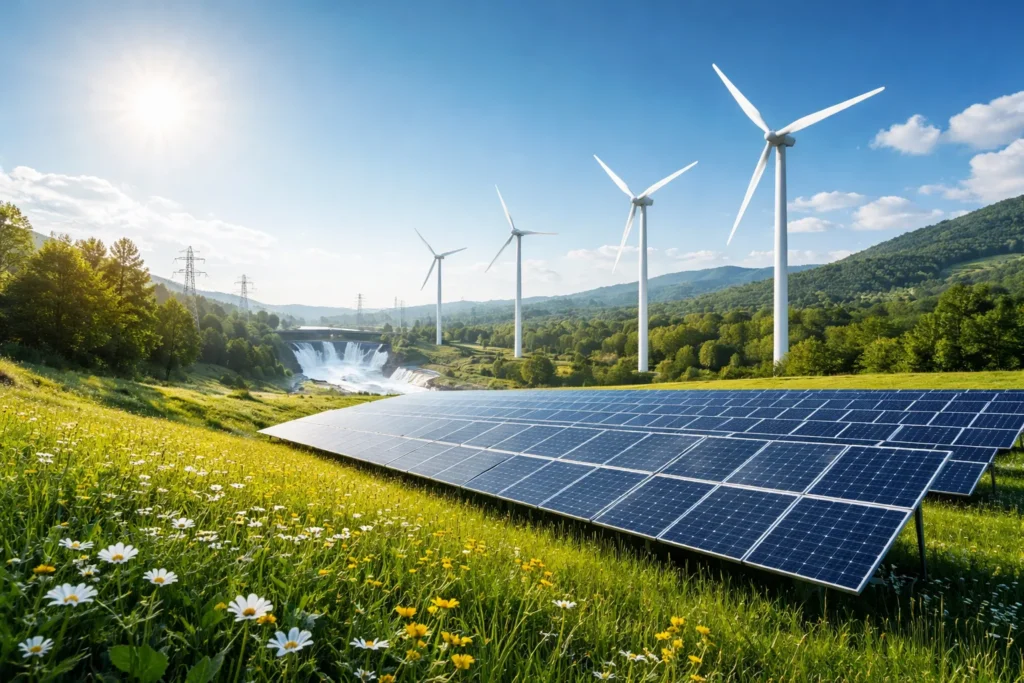
Renewable energy is a form of power that is generated from natural and renewable sources like the sun, wind, and water, and it’s the talk of the town in Australia right now. Frankly, most people have heard the term but couldn’t tell you much beyond that. This clean energy guide breaks down solar, wind, geothermal, and battery storage into simple words.
That lack of clarity has real consequences. Unlike fossil fuels, renewable energy sources don’t emit harmful greenhouse gas emissions, and with energy bills rising across Australia, the people who understand their options are the ones making smarter decisions for their homes and their wallets.
So here’s exactly what you need to know. Let’s start with the basics.
What Is Renewable Energy? (Your Clean Energy Guide)
Renewable energy is power pulled straight from nature, and unlike fossil fuels, it doesn’t run out. The sun, wind, and water keep going regardless of what we do. That reliability is exactly what makes them such strong renewable resources for meeting Australia’s growing energy demand.
Now, here’s where it gets interesting. Burning fossil fuels releases carbon dioxide and other greenhouse gases that drive climate change. But renewable energy sources are totally different here. They don’t produce massive emissions during electricity generation. That single difference is why households and governments across Australia are moving away from fossil fuels.
The Australian Government’s Department of Climate Change, Energy, the Environment and Water confirms that renewable energy already makes up a growing share of Australia’s electricity supply. So what does that look like on a rooftop near you? Let’s find out.
How Solar Energy Works (Including Solar PV and Rooftop Solar)
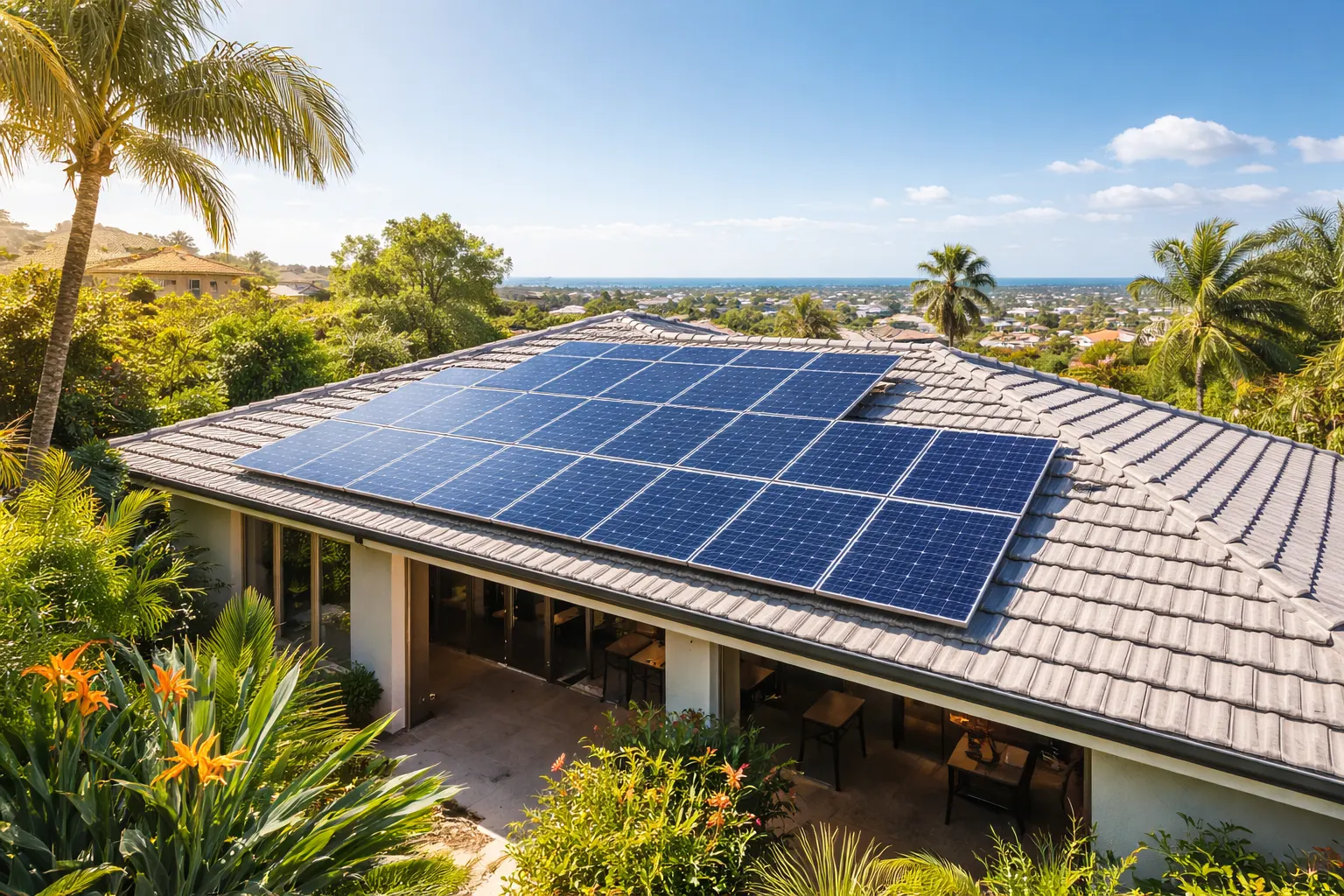
Solar energy is one of the most practical renewable energy technologies for everyday Australians to adopt. What does that mean? Well, a large solar farm in the outback and panels on a suburban roof in Brisbane both follow the same basic process of converting sunlight into usable electricity.
Here’s how it all breaks down.
1. Solar PV and How It Works?
Solar photovoltaic panels, or solar PV, capture solar radiation and convert it into electrical energy through photovoltaic cells made from silicon. When sunlight hits those cells, it knocks electrons loose, and that movement creates an electric current.
And based on our experience, the part that surprises most first-time installers isn’t the panels themselves, it’s how the feed-in tariff system works in their favour.
2. Rooftop Solar in Australia
Rooftop solar PV has become one of the most common household upgrades across suburbs, with millions of homes already generating their own solar power. What’s more, the Clean Energy Council offers detailed fact sheets on what to expect during installation.
3. Can You Sell Power Back to the Grid?
Yes, and this is where rooftop solar gets interesting for your hip pocket. When your solar panels produce more electricity than your home uses, that excess feeds back into the grid. Your energy retailer then credits you for the electricity produced, and that credit comes straight off your power bill.
All things considered, solar energy is a great starting point. But it’s only one piece of Australia’s renewable energy puzzle, and wind power is quickly becoming just as important.
Wind Power: How It Turns Air Into Electrical Energy
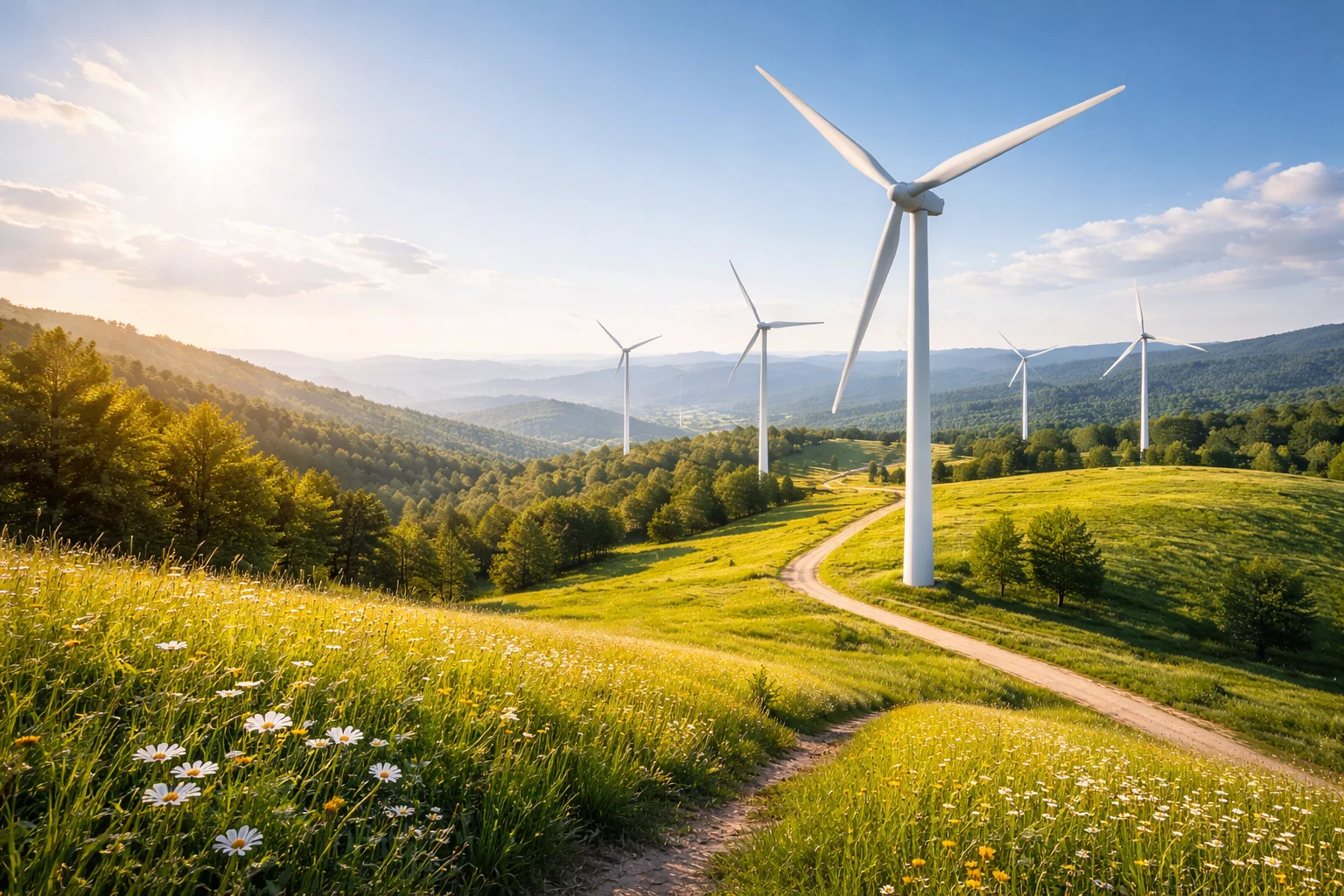
Wind power works by capturing the kinetic energy in moving air and converting it into electricity. What’s even better is that Australia’s geography makes it one of the best places in the world to do exactly that.
Wind power is deceptively simple once you break it down. These three points cover everything you need to know:
- How Wind Turbines Work: Wind turbines capture kinetic energy from moving air and convert it into electrical energy. As the blades spin, they drive a generator that feeds renewable electricity directly into Australia’s grid, day and night.
- Australia’s Wind Advantage: South Australia generates around 44% of its electricity from wind power alone, the highest share of any Australian state, proving that wind energy can reliably power an entire state. This isn’t a small shift. Offshore wind has the capacity to power entire cities, and Australia is only just getting started.
- Offshore Wind On The Rise: Australia has designated six offshore wind zones along its coastline. The Gippsland project in Victoria alone is projected to power 1.2 million homes once complete, and ARENA has confirmed several large-scale renewable energy projects are already underway.
Wind energy and solar power together are changing how Australia generates electricity. But what happens when the sun isn’t shining, and the wind isn’t blowing?
Other Renewables Worth Knowing About (Including Enhanced Geothermal Systems)
Solar and wind get all the attention, but other renewables are just as important for building a reliable, long-term energy supply. The truth is, no single renewable energy source can meet Australia’s energy demand on its own, and that’s where hydropower, geothermal energy, and bioenergy come in.
Here’s a quick look at three worth knowing about.
| Renewable Source | How It Works | Best Use Case |
| Hydropower | Uses flowing water to spin turbines and generate electricity | Large-scale electricity generation in mountainous regions |
| Enhanced Geothermal Systems | Taps into underground heat to produce electricity around the clock | Reliable baseload power in areas with high geothermal activity |
| Bioenergy | Converts organic waste, like burning biomass, into usable energy | Waste management and regional energy supply |
Each of these renewable energy technologies plays a different role in Australia’s energy mix, stepping in where solar and wind can’t always deliver. As the Stanford University energy resource guide explains, a diverse mix of renewable energy sources is far more reliable than depending on just one or two.
With that in mind, the next section covers how energy storage keeps all of these sources working around the clock.
Energy Storage and Battery Storage: The Missing Piece
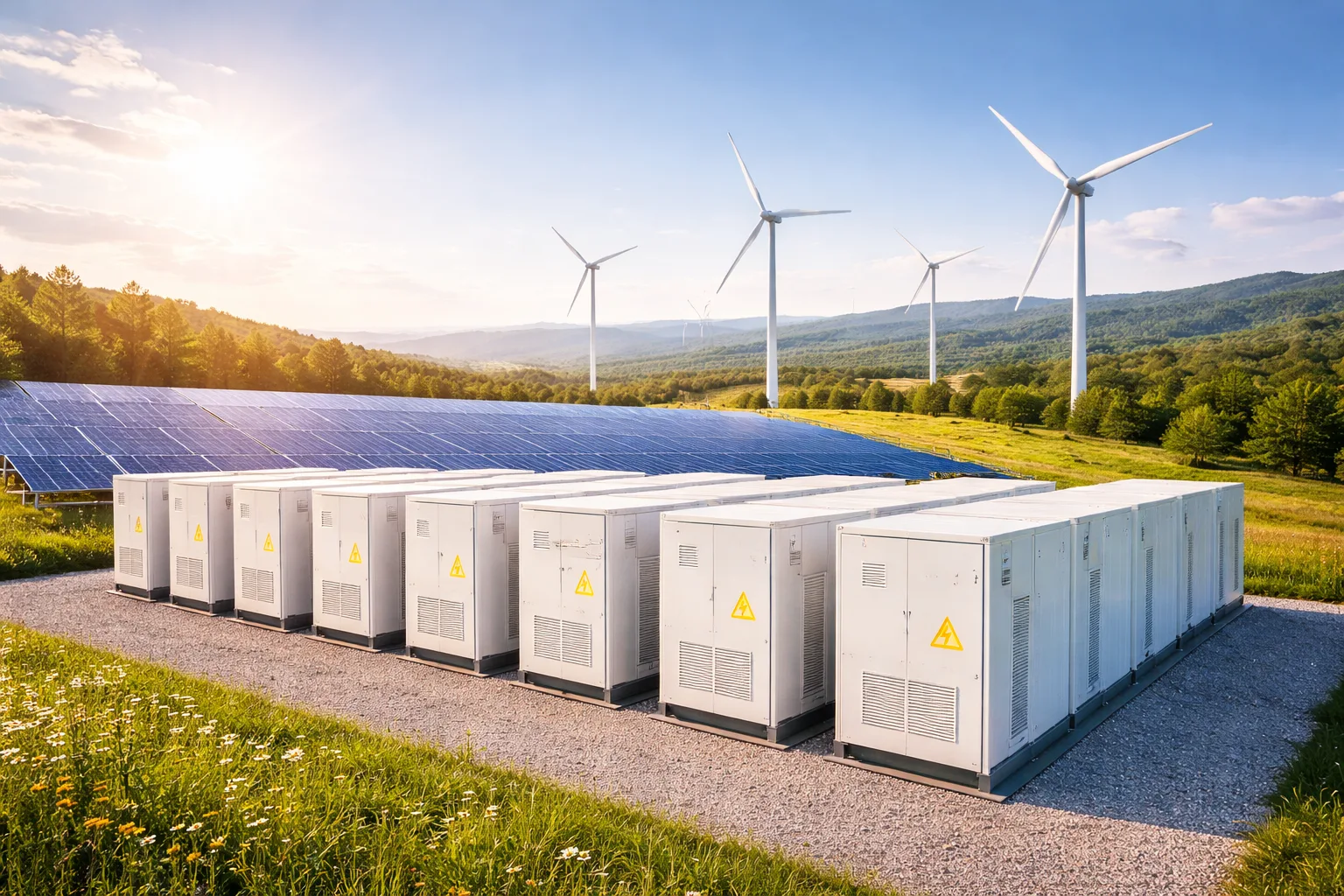
Ask most people what holds renewable energy back, and they’ll say cost. But the real challenge is simpler than that. Renewables only generate power when the sun shines or the wind blows, and that gap between supply and energy demand is exactly what battery storage is designed to fill.
And filling that gap has real benefits. Home battery storage systems store excess renewable electricity during peak generation, then release it when demand rises or generation drops off. So instead of losing that stored energy, households can run on clean energy well into the night.
Believe it or not, one of the largest battery storage systems in the world is right here in South Australia. The Hornsdale Power Reserve stabilised the entire state’s grid after its installation in 2017, and that single project shifted how Australia thinks about large-scale battery storage entirely.
That’s why, as Energy Facts Australia points out, improving energy storage across Australia’s energy systems is a vital step toward a fully renewable electricity supply.
Virtual Power Plants and the Future Energy Mix
Home batteries are useful on their own, but their real potential shows up when they work together. When thousands of them link into one coordinated network, they form what’s called a virtual power plant. That network turns everyday households into active contributors to Australia’s energy grid.
And the mechanics behind it are worth understanding:
How Does a Virtual Power Plant Work?
A virtual power plant runs on coordinating software that manages when each connected battery charges and discharges. Think of it as a conductor leading an orchestra, except the instruments are home batteries spread across thousands of Australian rooftops.
During peak energy demand, the system automatically draws from all of them at once, delivering stored renewable electricity to the grid within seconds. No power plant needed, no fossil fuels, no waiting.
The Wider Picture for Australia’s Grid
Australia’s energy mix is changing, and renewable energy is leading that charge. As more households connect to virtual power plants, the grid gets stronger and less dependent on fossil fuels.
The good news is getting involved is easier than you’d think, and the next section breaks it down.
How to Get Started With Renewables at Home
Getting started with renewables at home is more accessible than most Australians realise. You don’t need a complete home overhaul, just a few practical steps in the right direction.
- Check your roof first: Use the Australian Government’s free SunSPoT solar calculator to assess your roof’s orientation, shading, and solar potential before calling any installer.
- Look into state rebates: Victoria’s Solar Homes Program and Queensland’s battery booster rebate can cut installation costs significantly, so apply early to secure funding.
- Switch your energy retailer: Retailers like Powershop and GreenPower let you purchase renewable energy without installing anything, a low-effort first step for any Australian household.
Starting small puts you ahead of most households, and every bit of renewable energy you use helps drive down demand for fossil fuels across Australia.
Ready to Make the Switch to Clean Energy?
Renewable energy has moved well past the “too expensive, too complicated” stage. The technology is proven, rebates are available right now, and the grid is already moving away from fossil fuels. Bottom line: Clean energy isn’t coming. It’s already here.
And if you’re wondering where to begin, this article covers exactly that. We covered how solar PV and rooftop solar work, why wind energy is growing fast, and how battery storage and virtual power plants are changing Australia’s energy systems.
That’s exactly what Eco4TheWorld is here for. Our team is here to guide you through every step of the switch with clear, practical advice.
Your cleaner future starts today.