

Your digital habits influence the planet by drawing constant electricity from devices, networks and data centres that you never see. The connection is easy to miss because nothing about a tap or a scroll feels physical, yet each one reaches a server somewhere.
That hidden energy use is easy to overlook. You can picture the petrol a car burns, but few people picture the power behind a backed-up photo library. At Eco4theWorld, we think this lack of awareness deserves more attention.
To help you understand that hidden energy use, this guide shows where your online activity draws power. It also compares streaming, email and cloud storage, explains which habits cut emissions the most, and helps you judge a provider’s green claims.
Let’s get into it.
Your Digital Carbon Footprint Hides Behind Every Tap and Scroll
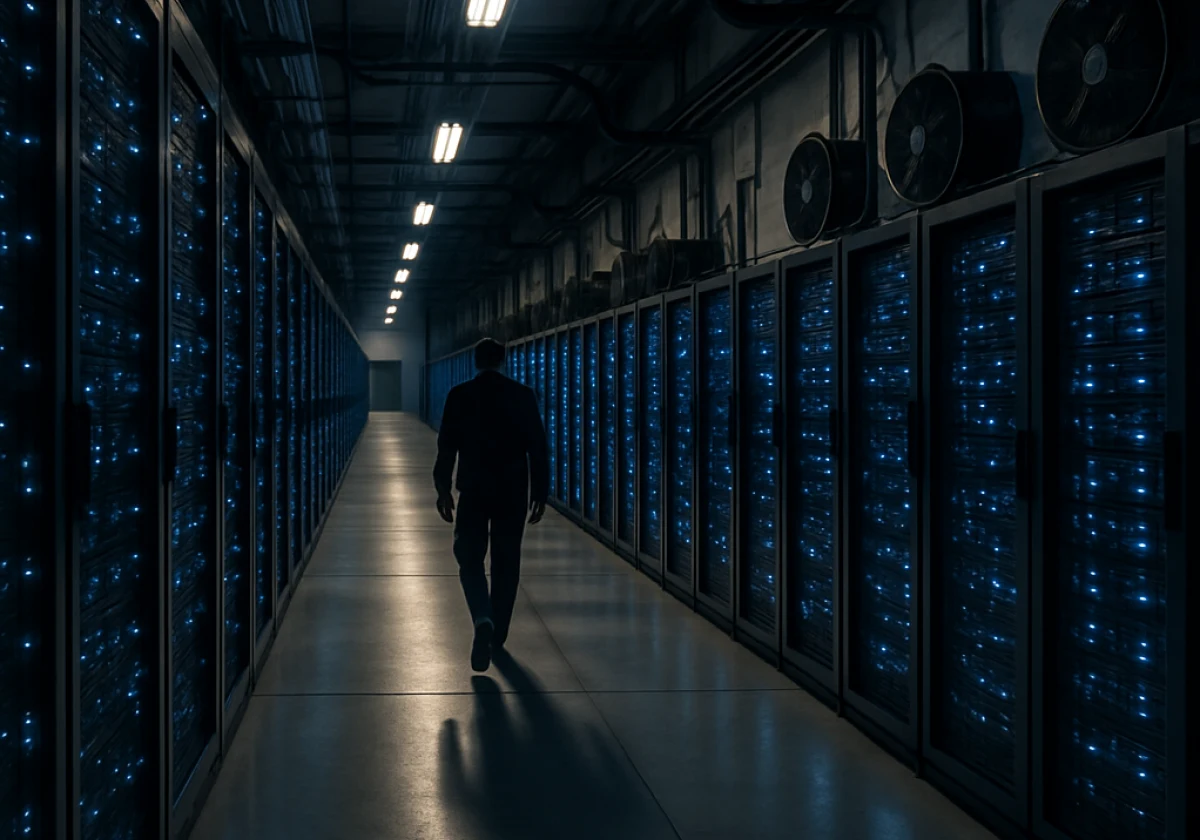
Every photo you back up uses a little more power at a data centre somewhere. That energy use contributes to your digital carbon footprint, which includes the electricity your online activities consume and the emissions they produce. People often picture cars and flights when they think about climate change, but the impact of everyday digital habits is easier to miss.
The impact of digital technologies comes from three main sources: your devices, the networks that carry data, and data centres. Devices draw electricity while you use them, and networks carry your data across cables and mobile towers.
Data centres then store and serve the files at the other end. The electricity source also affects emissions, as fossil fuels in the local grid increase the carbon footprint. Even the same video can have a different carbon footprint depending on the grid’s energy sources.
But your digital footprint starts before you switch anything on. Mining metals and assembling electronic devices account for a large share of their lifetime carbon emissions. That’s why replacing your phone every two years can increase its environmental impact.
Beyond individual devices, the internet keeps using more electricity. Data centres alone drew around 1.5% of the world’s electricity in 2024. Video streaming, social media and AI tools continue to increase demand, even when your own internet use stays the same.
Streaming, Email and Cloud Storage: The Carbon Impact of Everyday Digital Activities
Everyday online activities use different amounts of energy depending on how much data they transfer and store. The table below compares what drives emissions for each habit and where you can reduce them.
| Everyday Habit | What Drives the Emissions | Where the Saving Sits |
|---|---|---|
| Video streaming | Data volume moved to your screen | Lower resolution on small screens |
| Stored copies and large attachments | Links instead of attachments | |
| Cloud storage | Drives powered and cooled year-round | Deleting duplicates and old backups |
The table shows where you can reduce energy use, but data volume alone doesn’t tell the full story. In fact, the IEA found that one widely reported streaming estimate overstated emissions by up to 90 times. Your device, viewing time, and electricity source also affect how much carbon your online habits produce.
Cutting Energy Use From the Devices and Services You Rely On Daily

Some of your digital emissions come from everyday habits you repeat without thinking. Changing them doesn’t mean going offline, and nobody’s asking you to give up streaming. Instead, start with the settings below, which take little time to adjust:
- Streaming Quality On Phones: Phone screens make it hard to spot the difference between high and standard definition. Higher settings use extra data for a difference you may barely notice. By lowering the default, you’ll use less data with every episode.
- Cloud Storage You’ve Outgrown: Delete the duplicate photos and old backups you’ll never open again. Even after you stop using them, those files remain on drives that companies keep powered and cooled all year.
- Autoplay and Background Sync: When left on, autoplay keeps video running after you’ve walked out of the room. Similarly, background sync can upload files you don’t need. Both settings can keep using data without you noticing.
Of the three, video settings are a good place to start. Once you’ve adjusted them, you’ll use less data during future viewing sessions without any extra effort.
How Can You Reduce Your Digital Carbon Footprint at Home and at Work?

Reducing your digital carbon footprint means trimming data use, keeping devices longer and choosing greener providers. The same steps work at home and in the workplace, although you may have less control over work devices and services.
Focus on three areas: your daily habits, the companies you pay, and the devices you already own.
Simple Swaps That Build Sustainable Digital Habits
Small swaps work well when they become part of your routine. Playing music instead of background video uses less data, since audio files are much smaller than video streams.
Your inbox is another place to look. Unsubscribing from newsletters you never open stops the daily send and the storage behind it. Odds are your inbox tells the same story as everyone else’s.
After a while, these habits feel natural. You won’t need to remind yourself every day, which makes them easier to maintain.
Choosing Services With Real Sustainability Credentials
Green claims on a website are easy to print and hard to check, because environmental awareness costs a company nothing to advertise. To check those claims, look for a named target, a published sustainability report and the share of renewable energy used by the servers.
Also, ask where the data centres sit, because the grid mix changes by region. A provider running on hydro carries a different footprint than one on a coal-heavy grid.
Companies that take this seriously often publish the numbers unprompted. By comparison, others talk about energy efficiency in general terms and leave it there.
Making Your Laptop and Phone Last Longer
Keeping a laptop for five years instead of three spreads its manufacturing emissions across more years of use. It’s one way to reduce the impact of the devices you own. A new battery costs less than a new machine.
The same idea applies to phones. A slow phone usually needs more free storage or a fresh battery, not replacement. We’d check both before spending on new hardware.
And when repairs are no longer practical, an e-waste scheme can recover useful metals. Otherwise, landfill wastes material that mining had to pull out of the ground (check your council, as many run free e-waste drop-offs).
Start With One Habit This Week
Your digital carbon footprint comes from ordinary choices repeated thousands of times. That’s why changing one setting can have lasting effects over time. Start with a habit you can manage this week, then build on it as you go.
With those daily habits in mind, this guide explained how streaming, email and cloud storage affect the environment. We’ve also shared ways to use less energy, choose greener providers and keep your devices longer. Each step gives you a place to start.
For further guidance, Eco4theWorld shares practical climate advice for people who want their everyday choices to count. Our team can guide you through the steps you need to understand and reduce your footprint.
Contact us to get started.