
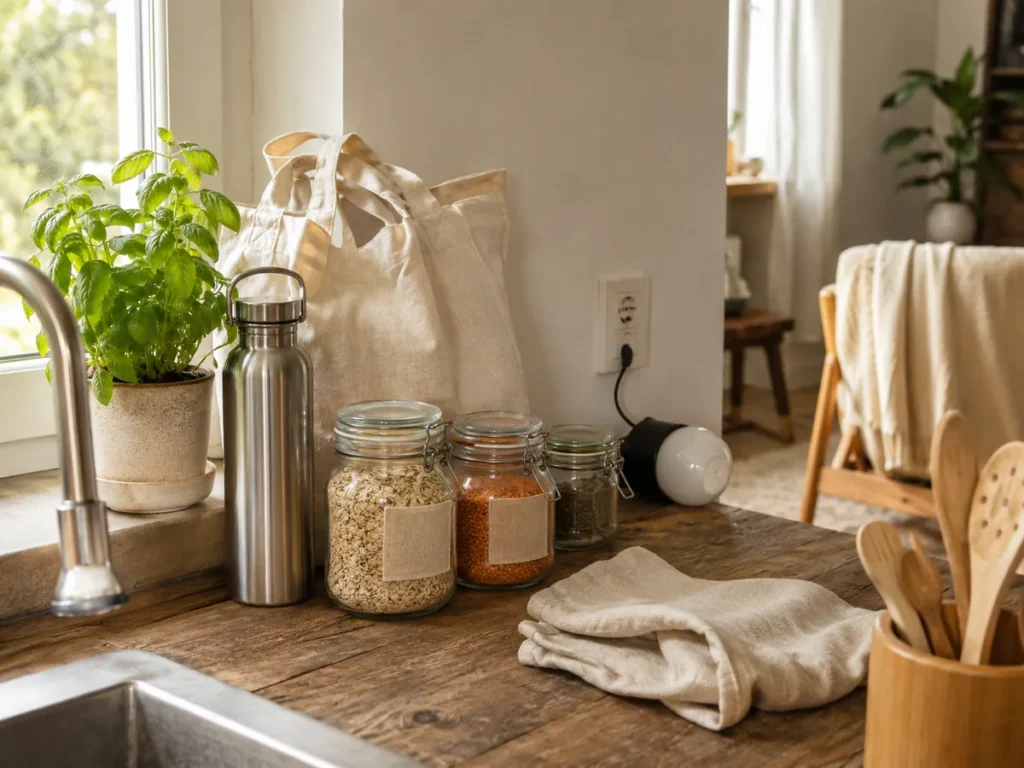
Looking to build a more eco-friendly life without turning everything upside down at once?
Here at Eco4theWorld, we’ve spent years exploring sustainable lifestyle tips. From what we’ve seen, the shifts that stick are the ones that fit naturally into your everyday life.
In this guide, you’ll learn:
- How to spot easy eco-friendly wins in your daily routine
- Simple ways to reduce your carbon footprint at home
- How fast fashion, cleaning products, and electronic devices are costing the planet
- Practical steps to conserve water and cut energy bills
Ready to build a more environmentally friendly life? Let’s get into it.
Small Swaps, Real Results: Where Eco-Friendly Living Actually Begins
Eco-friendly living begins with the habits you already have. The goal is to adjust them gradually, instead of replacing them all at once. And honestly, most of your best starting points are already sitting in your kitchen, laundry, and grocery bag.
Below, we’ll break down a few daily habits that you can switch out.
Your Everyday Life Is Already Full of Easy Wins
Starting small costs you almost nothing. To begin with, take reusable bags to the grocery store instead of grabbing plastic bags every trip. That one shift alone cuts a surprising amount of plastic waste.
On top of that, carrying a reusable water bottle replaces the single-use plastic ones most people go through without thinking.
Now, if swapping plastic containers for glass containers at home feels like too much to tackle at once, just pick one thing. A few weeks of repeating a single habit is all it takes before it feels second nature.
For more ideas, our guide on plastic-free living covers practical steps that go a bit further.
Cold Water Washing and Other Habits Worth Keeping
Most people have no idea how much energy goes into a standard laundry cycle. In fact, a hot wash costs around 80-90% more energy than a cold one. So switch to cold water, and your clothes will come out just as clean without the extra hit to your power bill.
While you’re at it, skip the dryer too. Air drying extends the life of your clothes and saves you money on power at the same time.
Plus, try switching paper towels out for reusable cloths made from natural materials like bamboo or organic cotton. You’ll cut ongoing waste without adding a single extra step to your day.
What Does a Low Carbon Footprint Even Look Like Day to Day?
A low carbon footprint is a pattern of small, repeatable choices you make across transport, food, and home energy use every single day.
Food is actually one of the sneakiest contributors to carbon emissions. Think about it: producing red meat releases significantly more carbon dioxide into the atmosphere than growing plant-based foods. That means eating less meat a few times a week, even without going fully vegetarian, already starts to reduce your carbon footprint measurably.
Beyond that, if you buy local produce, you’ll cut the distance food travels through the food chain before it reaches your plate. Less distance means transport burns fewer fossil fuels, and that brings your carbon emissions down noticeably. Growing your own food, even just herbs on a windowsill, takes that a step further.
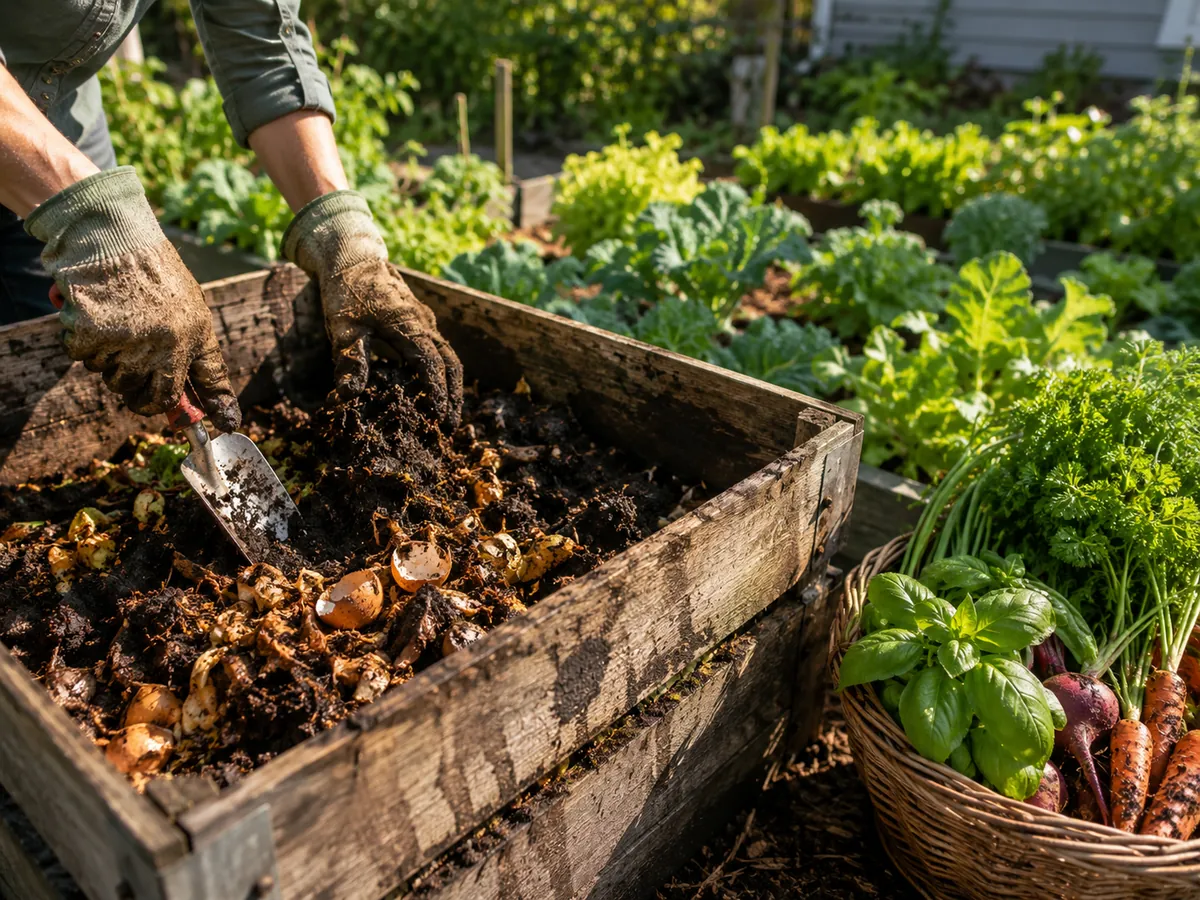
Plus, managing food waste is a bigger deal than it looks. See, food scraps rotting in a landfill produce methane, which is a powerful greenhouse gas. A simple compost bin in your backyard diverts that waste and feeds it back into the soil where it belongs.
Through our work across sustainability communities worldwide, we’ve found that people who tackle food and energy together make the most consistent progress.
Now let’s look at exactly where your home is losing energy, and how little it takes to fix it.
Energy Efficiency at Home: The Changes That Pay You Back
A handful of home upgrades cost very little to put in place and cut your energy bills almost straight away. Our research into eco-friendly home upgrades shows that the ones below deliver the strongest results.
- LED Light Bulbs: LED light bulbs use up to 75% less electricity than old incandescent ones. They last years longer too, so you save money on replacements as well.
- Electronic Devices on Standby: Your electronic devices draw power even when you’re not using them. Switching them off at the wall stops the drain completely.
- Sealing Draughts: Gaps around doors and windows let heat escape, which forces your heating system to work harder. Sealing them up is cheap, takes an hour, and cuts energy use noticeably.
- Renewable Energy: If your energy provider offers a green plan powered by renewable energy, switching costs nothing extra and moves your home away from fossil fuels straight away.
- Solar Panels: Installing solar panels requires upfront investment, but households across Australia typically see their energy bills drop significantly within the first year.
Better energy efficiency at home also reduces pressure on the power grid during peak periods. For renters who can’t install solar panels, switching energy providers is still one of the most impactful options on this list.
Fast Fashion and Your Wardrobe: A Real Drain on the Planet
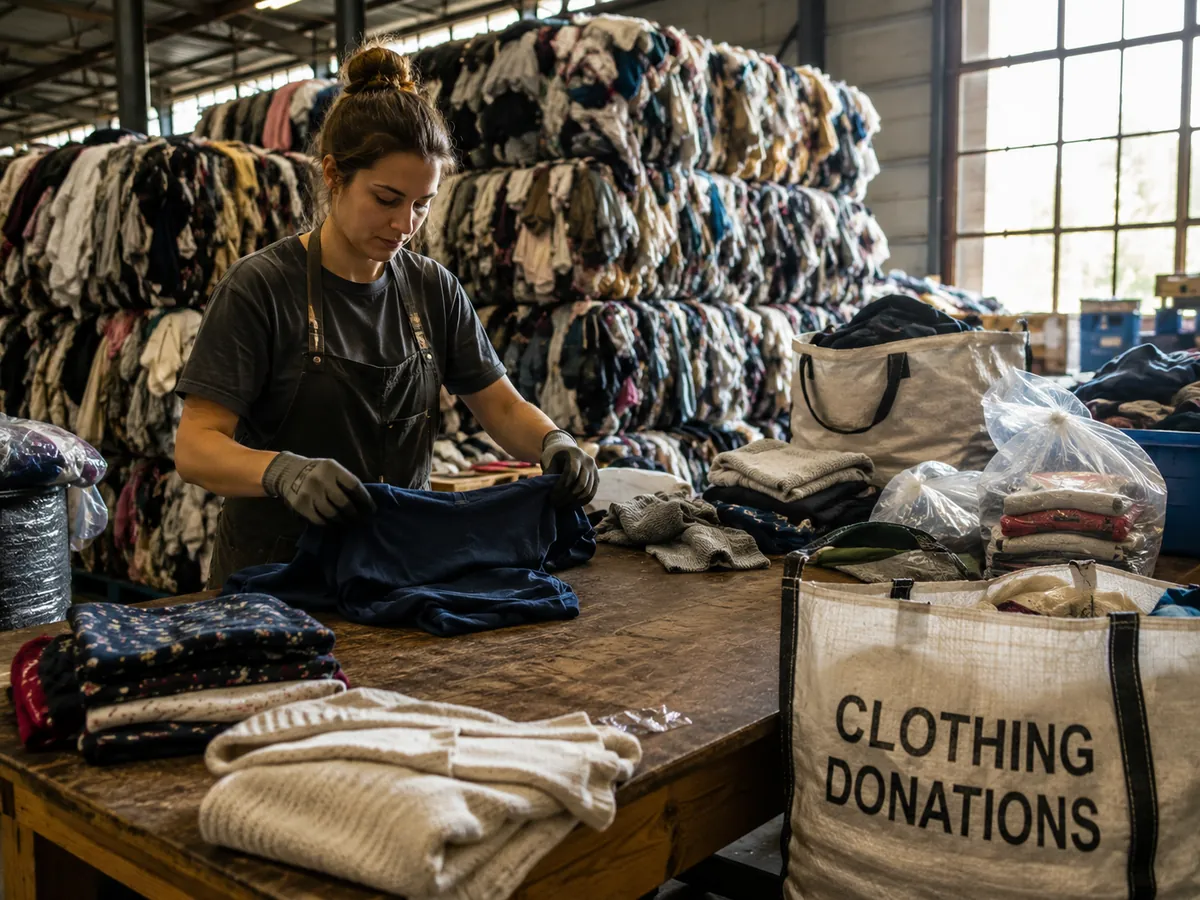
The average Australian buys 27 kilograms of new clothing every year, and most of it ends up in landfill within 12 months. That waste alone puts enormous pressure on natural resources, water systems, and the communities living near production sites.
The clothing industry also ranks among the top contributors to greenhouse gases globally, which means what you wear genuinely connects to the broader climate crisis. Fortunately, changing your shopping habits is one of the more powerful moves you can make.
Here’s where to start:
How to Shop Without Feeding the Problem
Buying fewer, better-quality pieces is the most direct way to reduce the demand driving overproduction. And landfill is only part of the problem. Many synthetic fabrics shed microplastics through every wash cycle, adding to plastic waste in waterways.
What’s more, cheap clothing manufacturers use dyes and harmful chemicals that contribute to water pollution and damage local air quality wherever those factories operate.
Useful Tip: Spend 2 minutes checking where a brand sources its natural resources and how it treats its workers before your next purchase. It sounds minor, but where your money goes genuinely influences what the industry produces more of.
Second-Hand, Slow Fashion, and Better Buying Habits
Op shops and online resale platforms give quality clothing a second life at a fraction of the retail cost. Beyond saving money, buying second-hand means manufacturers pull fewer natural resources from the earth to produce something brand new.
Slow fashion takes that thinking a step further. It means buying intentionally, owning less stuff, and keeping what you have for longer. On top of that, correct washing and storage stretch your clothes’ lifespan considerably.
At the end of the day, building a more eco-friendly lifestyle requires buying with a bit more thought, for the sake of future generations who will inherit whatever we leave behind.
Cleaning Products, Electronic Devices, and the Stuff We Overlook
The thing nobody tells you is that some of the heaviest-polluting products in your home are the ones you use every single week.
Most conventional cleaning products contain harmful chemicals that flow straight into waterways and knock your indoor air quality around badly over time. The good news is that you don’t need most of them.
For starters, baking soda handles grease, odours, and surface grime without a single nasty chemical. White vinegar does the same job on glass and bench tops, and both cost a fraction of branded cleaning products at the grocery store (yeah, we didn’t believe it either).
So what about your devices? Electronic devices left on standby pump out greenhouse gas emissions in small but steady amounts. That’s why switching them off at the wall cuts your household’s carbon output directly.
When they reach the end of their life, drop them at a certified e-waste recycling point. Otherwise, tossing them in the general waste contributes directly to air pollution as they break down.
Paper waste is another one that people skip right over. Wrapping paper is almost never recyclable, yet households burn through rolls of it every year. This becomes a problem because most of it goes straight to landfill rather than getting processed correctly. That’s why we recommend switching to recycled paper, newspaper, or reusable fabric wrapping wherever you can.
How to Conserve Water Without Turning Your Life Upside Down
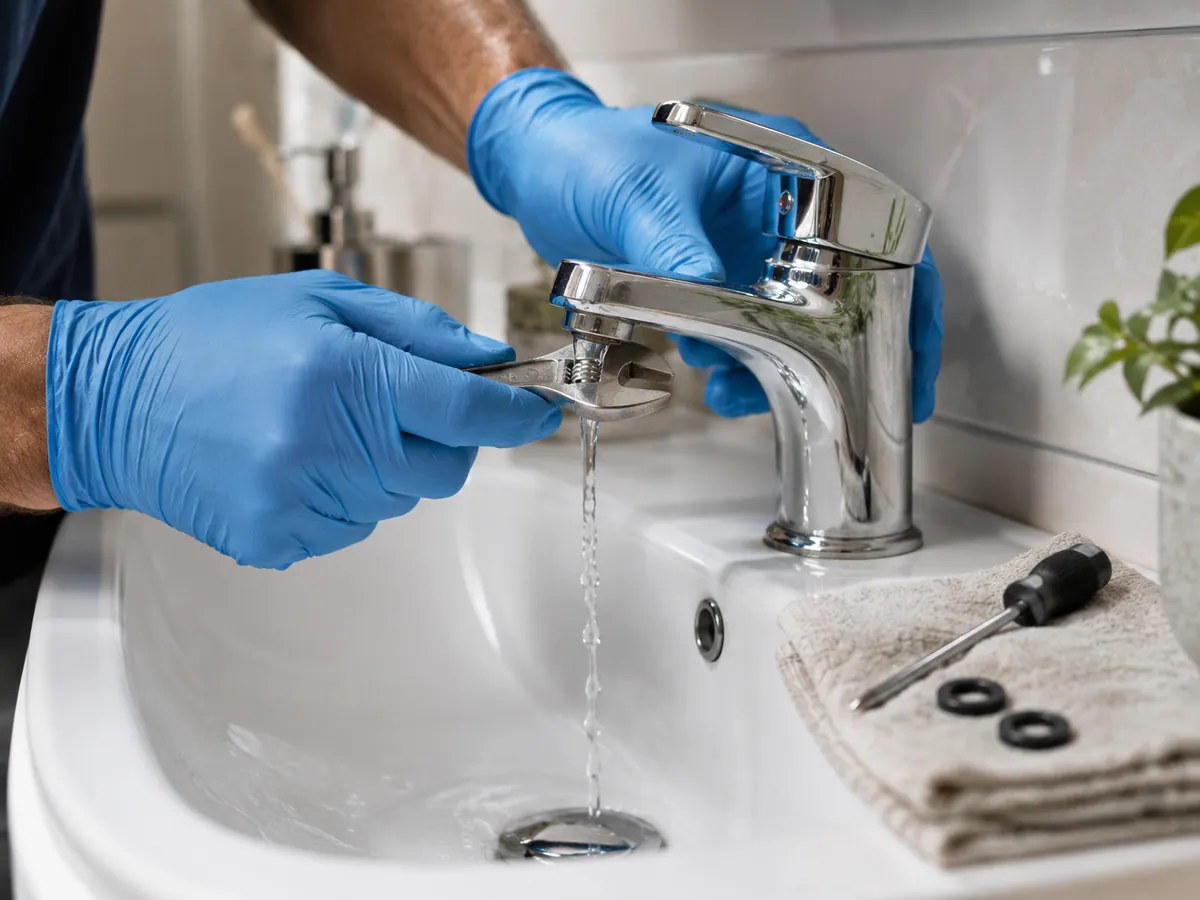
Start with the basics. For example, fix dripping taps, run full loads in the washing machine, and take slightly shorter showers. This way, you conserve water without rearranging your entire routine.
Believe it or not, a dripping tap wastes up to 20,000 litres of water a year (and no, we’re not exaggerating). That’s a natural resource going straight down the drain for no reason at all. However, fixing it takes ten minutes and costs next to nothing.
In the kitchen, reusable containers cut down on the amount of water needed to produce and process single-use packaging. Turning off the tap while brushing your teeth or washing dishes is another habit that adds up noticeably over a year.
Now think beyond the bathroom and kitchen altogether. Harsh chemicals contribute to water pollution in local waterways. However, switching to gentler, plant-based options keeps those systems cleaner without any extra effort on your part.
Ready to Start? Here’s Your Realistic First Step
The first step toward a sustainable lifestyle is always the one that fits your life right now, not the one that sounds most impressive. Pick a single area from this guide and stay with it for a few weeks before adding anything else. That consistency is what makes an eco-friendly lifestyle stick.
In a nutshell, here are three starting points worth considering:
- Swap One Cleaning Product: Pick the household cleaner you reach for most and replace it with a plant-based alternative this week. Most options are cheap, widely available, and work just as well.
- Check Your Energy Plan: Call your energy provider and ask whether a renewable option is available at your address. It takes five minutes, and most people are surprised by how straightforward the switch actually is.
- Plant something native: Native plants support local biodiversity and need far less water than introduced species. If you have even a small patch of garden, this one is a no-brainer.
Ultimately, living an environmentally friendly life just requires the right direction. Every household that commits to gradual, realistic change contributes to something that future generations will actually benefit from.
At Eco4TheWorld, we believe small actions repeated consistently add up to real, measurable change, and we’re here to help you find yours. For more practical ideas, visit our website.