
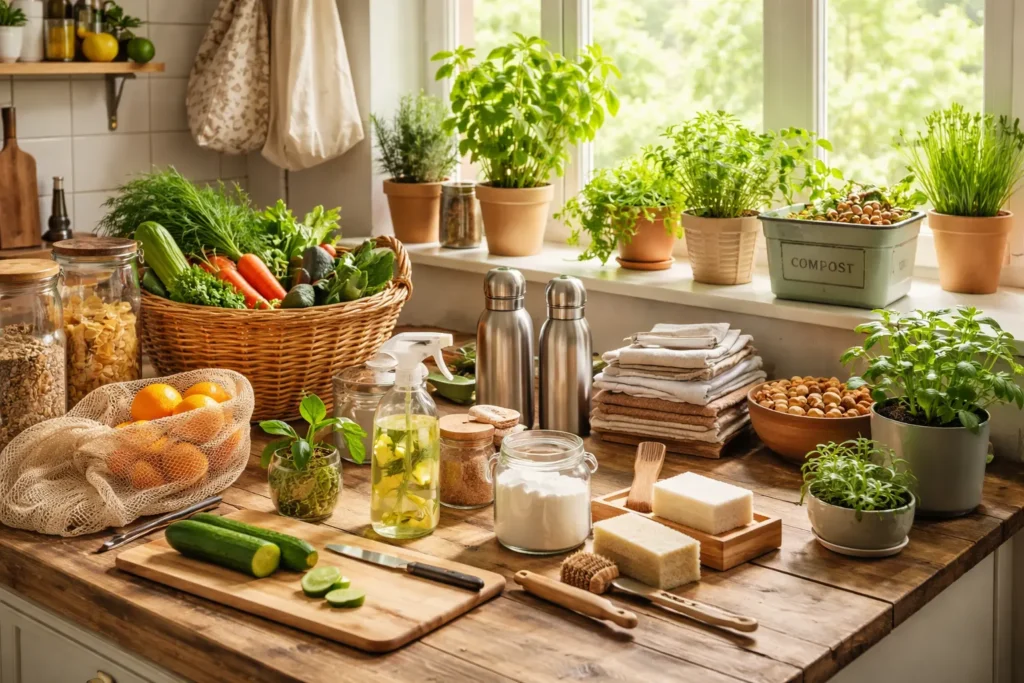
Sustainable living tips don’t have to be complicated. At their core, they’re just small, repeatable habits that lower your environmental impact without turning your life upside down. Most people think going green means going extreme, and that puts them off before they even start.
But frankly, that fear is misplaced. A few simple swaps at home can reduce waste, cut your carbon footprint, and save money along the way. You don’t need a complete overhaul to get started, just a willingness to do things a little differently.
This article walks you through practical, eco-friendly habits you can begin this week. No overwhelm overhaul, just changes that fit into a busy Australian life. Read on, and pick one habit to try by Friday.
Sustainable Living Tips You Can Start This Week
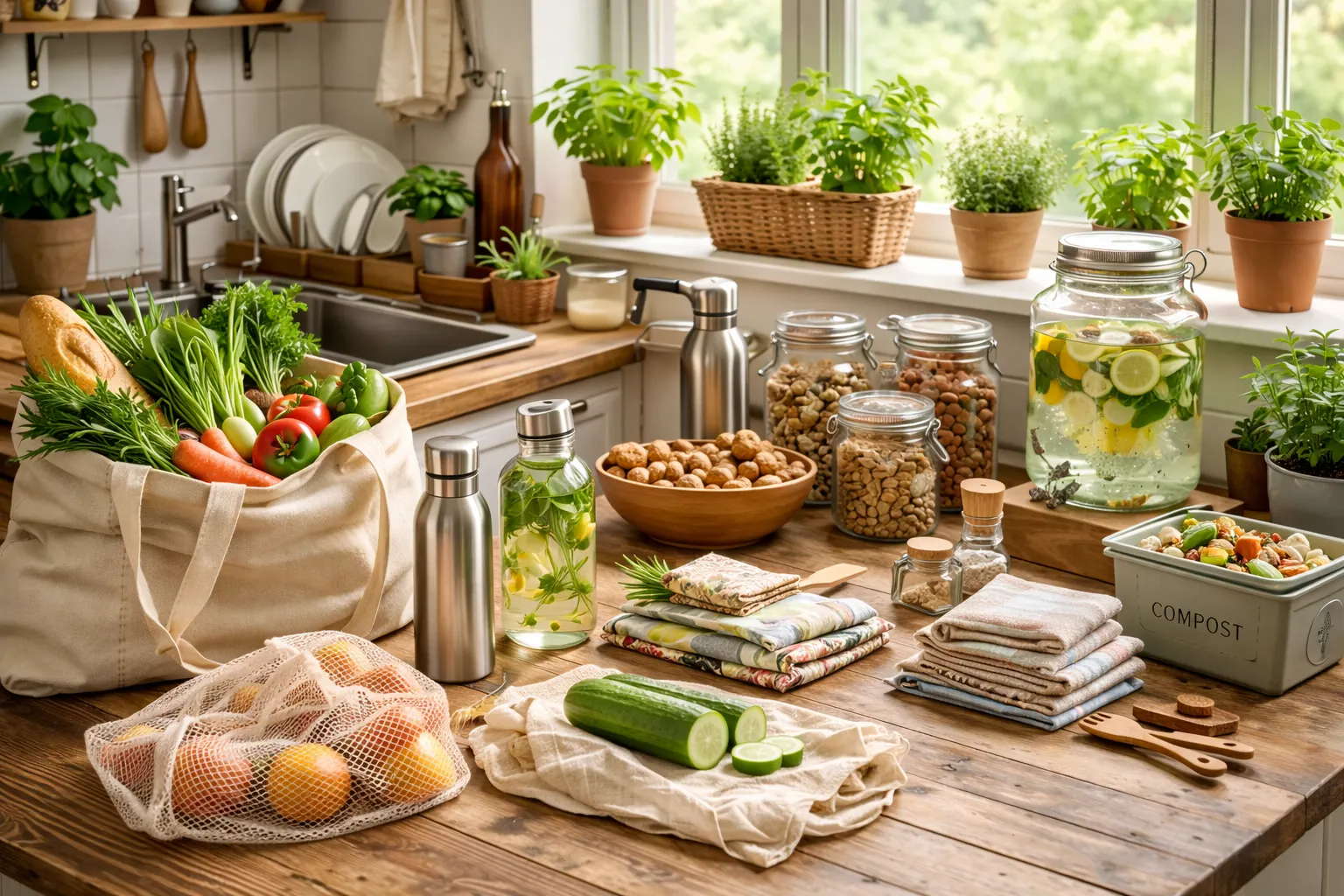
Most of us want to live a little greener, but we’re not sure where to begin. And that’s completely fair because the options can feel like a lot at first. You don’t need a worm farm or a $3,000 solar setup to get going. Sustainable living starts with the small stuff, and yourhome.gov.au breaks down what that looks like for Australian homes specifically.
In short, most of us don’t need a zero-waste renovation. We just need to swap a few everyday habits for better ones.
- Daily Swaps: Small changes like reusable bags and skipping plastic packaging reduce your environmental footprint daily (we’ve all done the walk of shame back to the car for the reusable bag).
- Waste Reduction: Reducing waste at home, whether that’s food, plastic, or paper, cuts your ecological footprint and saves money over time.
- Habit Stacking: Pairing a new eco-friendly habit with something you already do daily makes it stick without any extra effort.
Start with one swap this week, and build from there. Speaking of swaps, let’s look at some specific ones that can seriously cut your carbon footprint at home.
Easy Swaps to Cut Your Carbon Footprint
A lot of the carbon footprint from an average Australian home comes down to everyday energy habits. A few simple changes can fix that without much disruption, and the WWF Australia energy guide shows exactly how much Australian homes contribute to greenhouse gas emissions each year.
Here are two areas worth looking at first.
Cut Energy Use at Home
Switching off appliances on standby cuts carbon emissions more than most people realise. Things like chargers, televisions, and lights left on overnight keep drawing power around the clock, which adds up on your bill and your carbon footprint.
And we’ve seen this firsthand, even switching to efficient lighting and unplugging devices made a noticeable dent in monthly bills. Solar panels take it further, which reduces your dependence on fossil fuels and paying themselves off within a few years.
Rethink How You Shop
Choosing products with minimal packaging and opting for recycled paper over virgin paper reduces your environmental impact every day. And what you bring to the shops is worth thinking about too. So grab a reusable shopping bag, skip the plastic bags at the checkout, and buy only what you need.
The truth is that making these small purchasing decisions shifts your carbon footprint in the right direction a lot over time.
Next up, one of the most overlooked sources of household waste is the kitchen.
How to Reduce Food Waste (And Use Every Scrap)
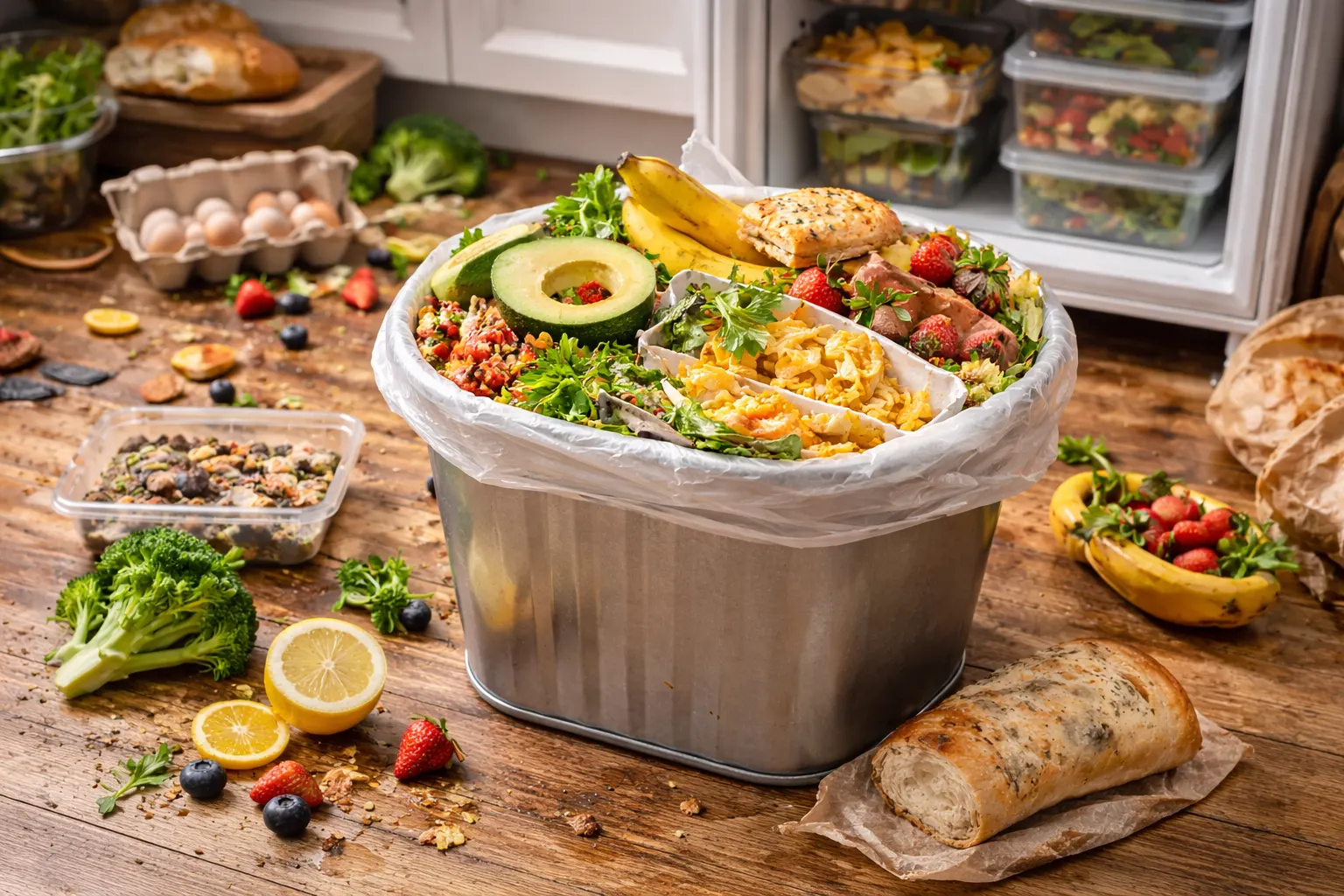
Most households are throwing out perfectly good food every single week, and it’s costing them in more ways than one. Believe it or not, a big chunk of that wasted food is still perfectly edible when it hits the bin.
Let’s break down where the waste is coming from, and what you can do about it.
- The Scale of the Problem: Australians throw out around 7.6 million tonnes of food every year, and food waste ranks among the top contributors to greenhouse gas emissions in the country. That’s a lot of perfectly good food ending up in landfill.
- Meal Planning: Plan your meals before you shop. It cuts food waste significantly, saves money on your weekly grocery bill, and means nothing gets forgotten at the back of the fridge.
- Food Scraps: Vegetable peels, eggshells, and leftover scraps don’t belong in the bin. Tossing them into a compost bin feeds your garden and keeps organic waste out of landfills.
- Smarter Storage: Most food goes off because of where it’s kept, not how old it is. Moving older items to the front of the fridge and sealing containers properly stops good food from going to waste before you get to it.
Small changes in the kitchen add up to a serious reduction in your household’s environmental footprint over time. And while the kitchen is a great place to start, what you drink and what you drink it from count just as much.
Ditch Bottled Water and Conserve Water at Home
Ditching bottled water is one of the cheapest and easiest swaps you can make. Think about it this way: every plastic bottle you pick up at the servo sits in a landfill for roughly 450 years. And plastic waste from bottled water doesn’t just pile up in bins. It ends up in waterways, harming marine life and other species along the way.
Here’s how the two stack up:
Bottled Water | Tap Water | |
Cost | $2-$4 per bottle | Less than $0.01 per litre |
Plastic waste | Hundreds of bottles yearly | Zero |
Environmental impact | High | Minimal |
Safety | No safer than tap | Meets strict Australian standards |
Switching to a reusable water bottle eliminates hundreds of single-use drink containers each year. According to yourhome.gov.au, fixing leaky taps and taking shorter showers are two of the most practical ways to conserve water at home.
Your wardrobe might not seem like an environmental issue, but fast fashion tells a very different story.
Fast Fashion Is Hurting the Planet
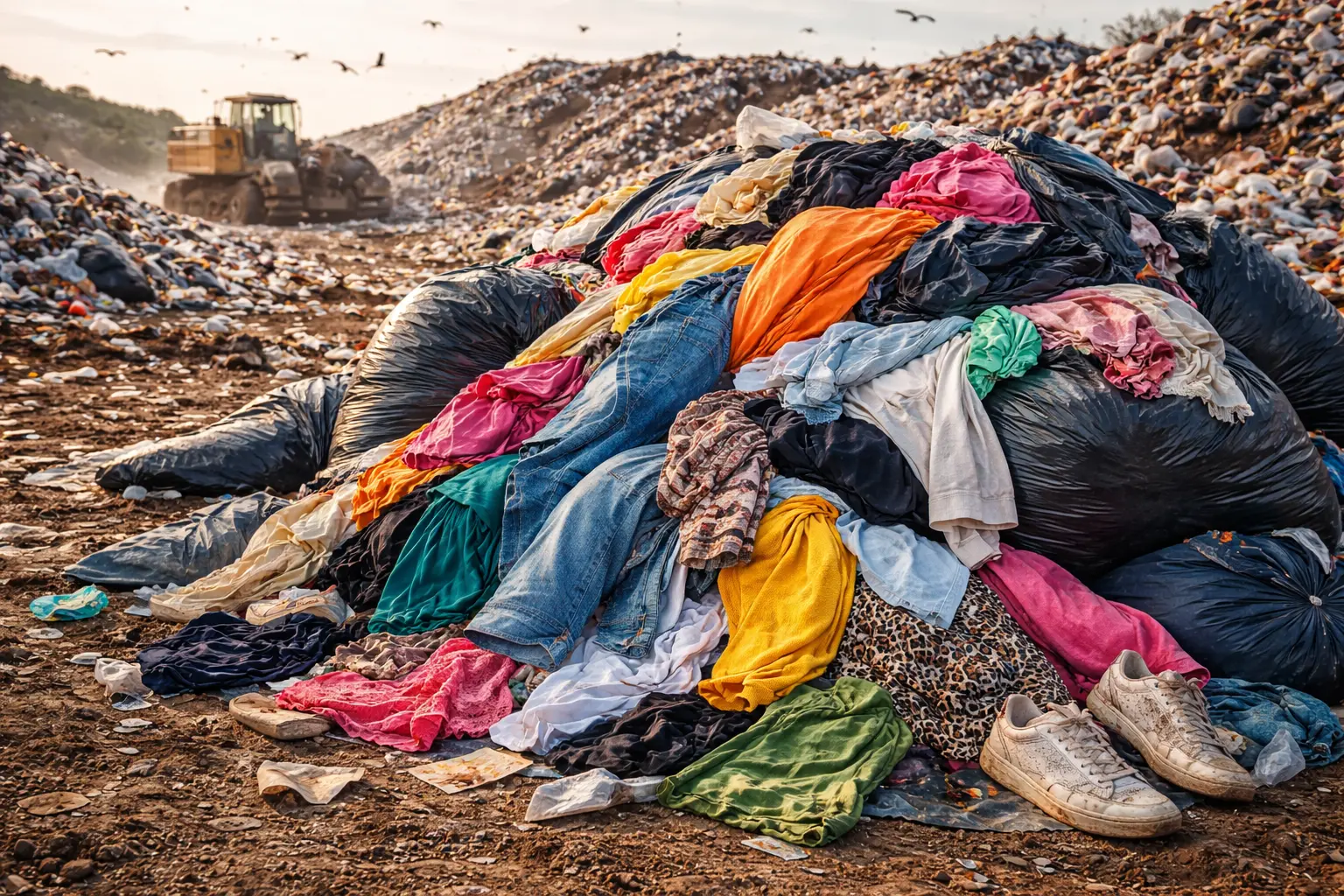
The fashion industry produces more carbon emissions than aviation and shipping combined. That alone should make us stop and think. Fast fashion drives greenhouse gas emissions and textile waste on a global scale, and Australia is very much part of that picture.
Honestly, most of us have bought a $10 top we wore twice and forgot about. And look, no judgment, we’ve all been there. But fast fashion does more than create clutter. It drives up air pollution, puts pressure on natural resources, and leaves a serious ecological footprint that goes well beyond your wardrobe.
Buying secondhand, swapping clothes with friends, or simply buying less are all practical ways to reduce your environmental footprint. Cutting back on fast fashion and meat consumption together can significantly lower your overall carbon footprint over time.
So now that we’ve covered what to wear, let’s zoom out and look at the broader picture of what these habits do for the planet.
How Daily Habits Help Fight Climate Change
Every small habit at home feeds into a much broader reduction in global carbon emissions. And when enough households do the same thing, that collective environmental impact starts to add up in a real way. Here’s how it all connects.
- Greenhouse Gas Reduction: Daily habits like reducing waste, eating less meat, and switching to renewable energy all work together to lower household greenhouse gas emissions over time.
- Sustainable Development: Embedding sustainability into your daily routine is where sustainable development starts. Long before it reaches businesses and communities, it begins with individual choices at home.
- Long-term Impact: Through our practical knowledge working in this space, households that stick to two or three consistent habits outperform those who try everything at once and burn out.
- Climate Action: Reducing waste and carbon emissions together creates measurable environmental impact, and Stanford University research shows that simple actions taken consistently help fight climate change.
Each of these habits connects to a wider story about climate action, one household at a time. Now let’s bring it all home.
The Easiest Way to Live Greener Starts Right Now
Most households waste more than they realise. Food goes off in the fridge, water drips from leaky taps, and clothing piles up unworn. Each of these carries a real environmental cost, and the fixes for all of them start right at home.
That’s exactly what this article has walked you through: reducing food waste, conserving water, and rethinking fast fashion. These are habits you can start this week, no big budget required, and no dramatic lifestyle change needed.
And if you want to go further, Eco4TheWorld breaks down sustainability into simple, actionable steps. Our team will take you through everything you need, with practical guides on reducing waste, lowering your carbon footprint, and building lasting eco-friendly habits at home.
It’s time to start.