
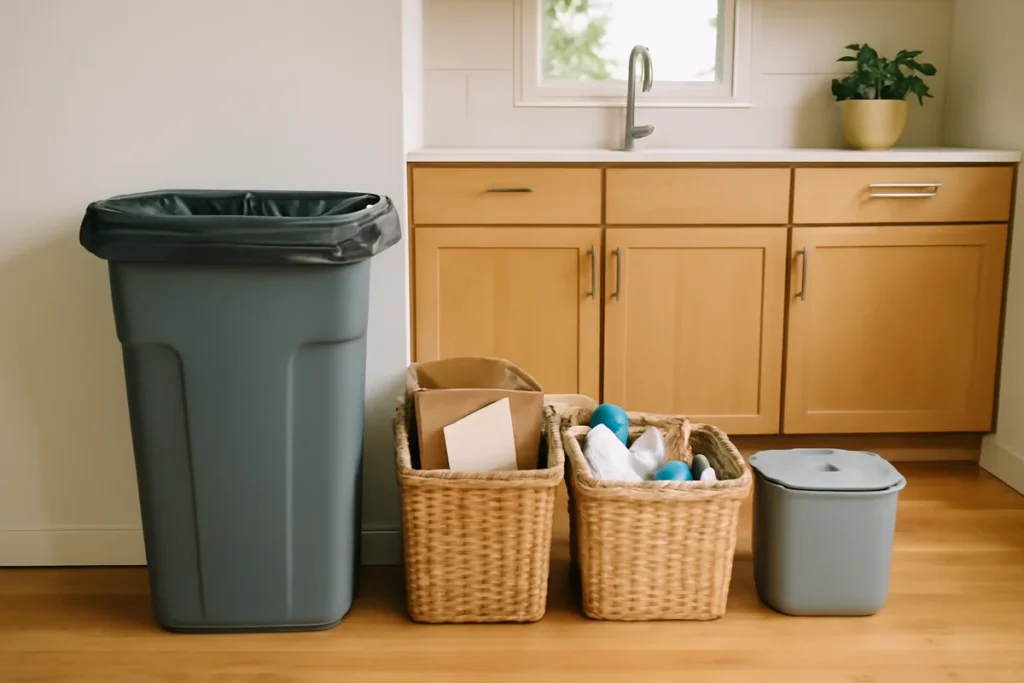
Ever looked at your bin after a week and thought, “Where did all this rubbish come from?” Yeah, it happens to us, too.
Most Aussie households produce far more waste than they realise, but a huge portion of it doesn’t need to end up in landfill. With a few simple changes, you can reuse, compost, or avoid much of that waste altogether.
As a sustainability-focused platform, we’ve spent years testing what actually works to reduce waste at home. And honestly, it’s simpler than you’d think.
In this guide, we’ll walk you through easy swaps, food scrap solutions, and practical habits that help the environment without adding extra stress to your day.
Keep reading to get started.
What Does It Mean to Reduce Waste at Home?
Reducing waste at home means sending less stuff to the landfill. Simple as that.
The idea includes:
- Buying only what you need
- Reusing the things you already have
- Recycling the items that can’t be reused
For instance, you could refuse plastic bags at the shops and bring your own reusable bags instead. Or skip products with heaps of packaging when there’s a simpler option.
You don’t have to go extreme. Even small shifts, like saying no to single-use items, add up over time. The goal is to waste less, not stress more.
How Does Household Waste Affect Climate Change?
Believe it or not, Aussie households produce 42% of the nation’s organic waste. That’s a huge amount of waste, and when it breaks down in a landfill, the process releases greenhouse gas emissions into the air.
All these emissions trap heat in the atmosphere, which speeds up climate change and leads to rising temperatures, extreme weather, and habitat loss.
Here’s how it works:
Why Food Scraps Create Methane
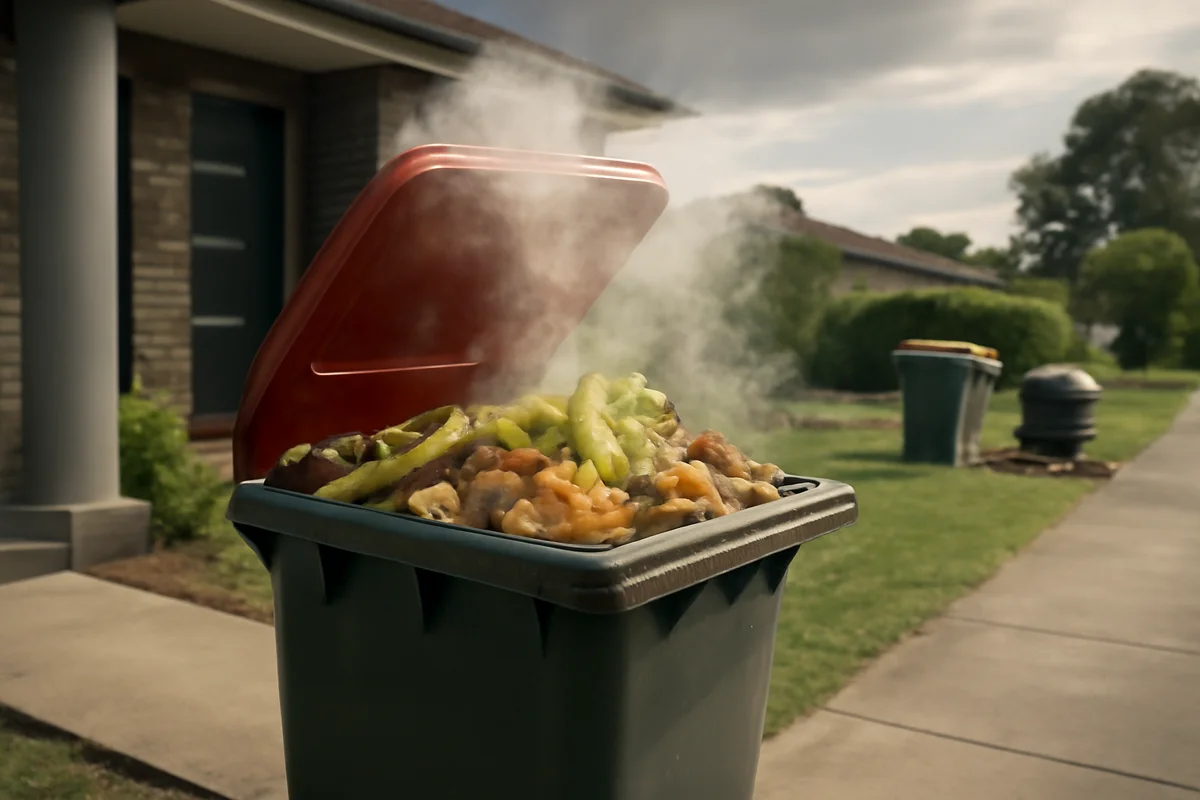
When food scraps end up in a landfill, they rot without oxygen. This process creates methane, a greenhouse gas far more harmful than carbon dioxide. The more household waste we send to landfills, the worse it gets.
Less Landfill, Lower Emissions
But here’s the flip side.
Every item you divert from the landfill helps reduce pollution. It’s because recycling uses less energy and fewer resources than making new materials from scratch. Even fewer rubbish trucks on the road means fewer emissions.
Small Actions, Big Difference
One household’s effort might seem tiny, but when entire suburbs chip in, the results are real. Your choices influence your neighbours, mates, and family too. That’s how change spreads.
Easy Swaps to Cut Down Waste at Home
Now that you know how waste affects the environment and how small actions make a difference, let’s talk about some easy swaps you can start using right away.
You know what? Simple swaps like beeswax wraps and cloth bags help you cut waste and save money on disposables.
Most of us grab plastic bags out of habit. But once you switch to reusable bags for your shopping, you stop paying for bags you’ll only use once.
Another easy win is swapping cling wrap for beeswax wraps or silicone lids. They keep food fresh, wash easily, and last for months.
In our experience, cloth-produced bags work just as well as plastic ones. They’re lightweight, easy to wash, and last for years without tearing. Plus, they don’t ripen the second you put a couple of apples in them.
And don’t forget paper towels. A few reusable cleaning rags do the same job without the waste. You can even cut up old clothes instead of buying new ones.
What Should You Do With Food Scraps?
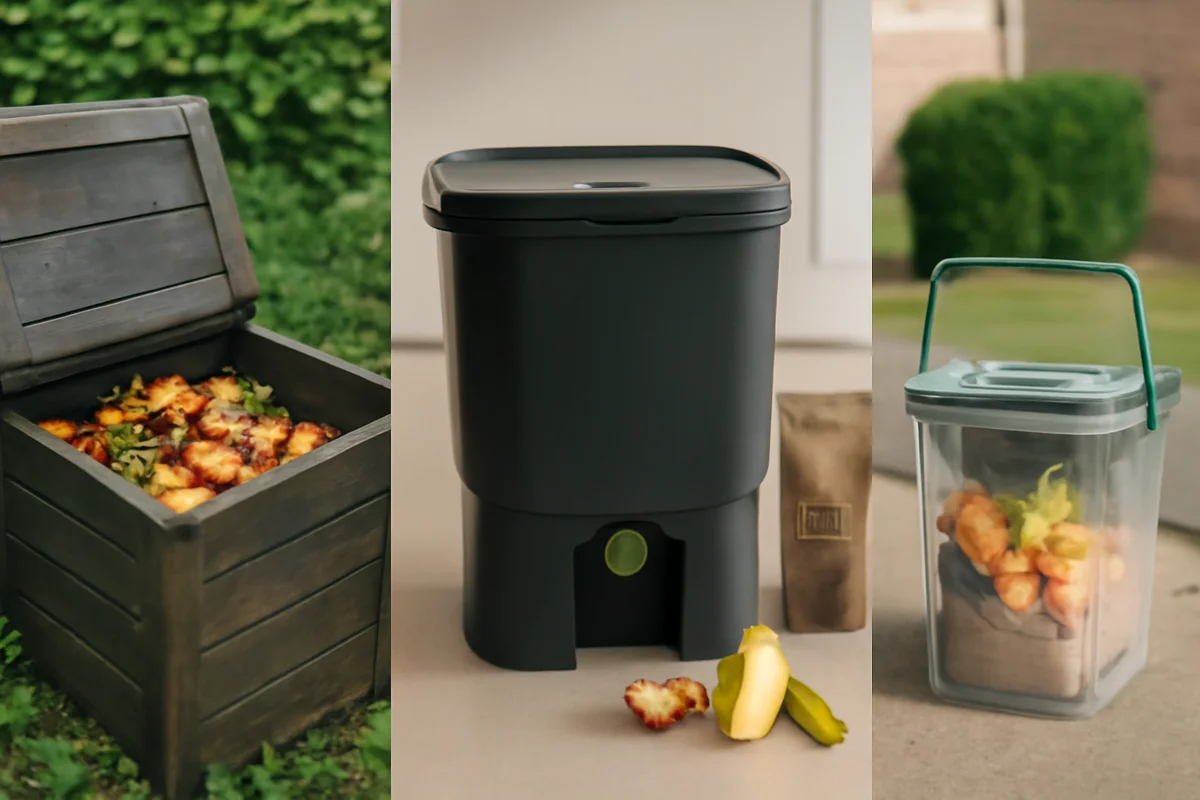
Compost them, use a bokashi bin, or check council collection options. Those are your best bets.
Honestly, starting a compost bin is easier than most people think. You just have to toss in your household fruit and veggie scraps, coffee grounds, and garden clippings. Over time, microbes break it all down naturally, creating rich soil for the plants.
If you’re short on space, bokashi bins are a solid pick. They ferment food waste indoors without the smell.
Here’s how it works: Add the scraps, sprinkle bokashi bran on top, seal the lid, and let it ferment. Within a few weeks, you’ll have pre-compost that can go straight into your garden or outdoor compost.
Got a backyard? Then, a worm farm is another excellent option. Worms munch through food scraps quickly and leave behind nutrient-rich castings. No more wasted food or smelly bins.
Quick Reminder: Many local councils also offer subsidised compost bins or food waste collection services. So check your council’s website before you purchase anything.
Electronic Waste: Where Old Devices Should Go
Do you know that old batteries leak toxic chemicals into soil and waterways? Scary stuff, but true.
Electronic waste (e-waste) contains harmful chemicals like lead and mercury. When dumped in a landfill, these materials seep into the ground and affect human health and the environment.
That’s why your old phones, laptops, and tablets should never go in the general waste bin. Instead, drop off your e-waste at local council collection points or retailer programs. They’ll safely dispose of everything or pass it on for recycling.
Some electronics and batteries are recyclable, and the recovered metals end up in new products. What matters most is keeping them out of general waste and into the right recycling stream.
Once you’ve sorted your e-waste, it’s time to tackle another everyday plastic problem: bottled water and disposable cutlery.
Ditch the Bottled Water and Try Reusable Cutlery
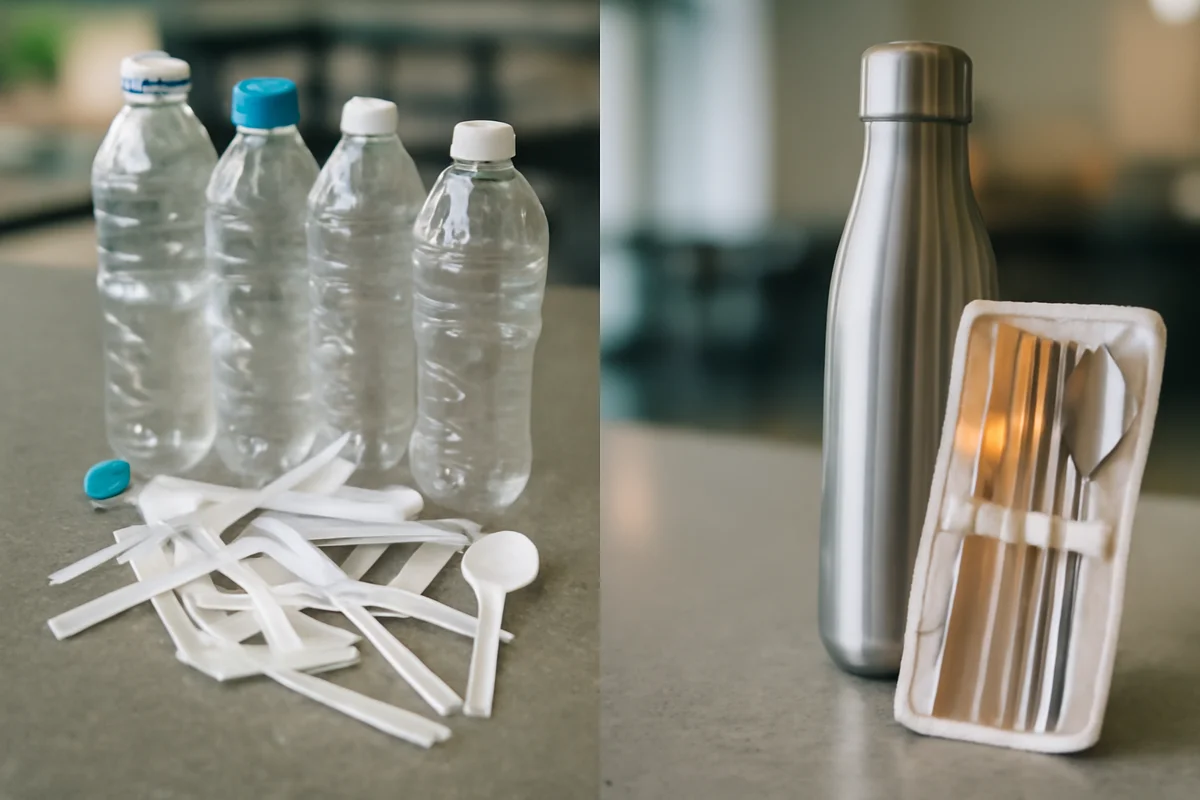
You’ll save hundreds yearly and ditch pointless plastic. The reason is simple. Bottled water and disposable cutlery are some of the easiest wastes to avoid, yet we buy them over and over again.
Here are two easy wins you can switch to right away.
1. Why Tap Water Wins
Aussie tap water is safe, tested, and basically free. Meanwhile, bottled water costs more per litre than petrol. You’re paying $3 or more for something that comes out of your tap for almost nothing.
With that in mind, grabbing a reusable water bottle is one of the easiest swaps you can make. Refill it at home, at work, or on the go. One bottle saves hundreds of plastic ones from ending up in the trash each year.
2. Reusable Cutlery That Actually Gets Used
Now, onto cutlery. Keep a set in your bag, car, or work desk. That way, you’re never stuck using plastic forks and knives.
After trying several options, we’ve found bamboo or stainless steel works best. They’re lightweight, durable, and easy to clean. And the best part is that you don’t have to replace them constantly like cheap plastic ones.
Good to Know: Saying no to plastic cutlery quickly becomes natural once you’ve got your own set handy.
Is Zero Waste at Home Really Possible?
Not perfectly, but low-waste living is totally doable.
We understand that true zero waste isn’t everyone’s cup of tea, and that’s okay. All you need to focus on is reducing what you can, reusing where possible, and recycling the rest.
And that’s where things get interesting. Once you start with a few small habits, like using reusable bags or composting food scraps, it snowballs. You naturally start noticing other ways to cut back.
Worth Remembering: Focus on progress, not perfection. Start with one room or one habit, then expand from there.
Producing less waste in your home becomes easier when you’re more mindful of your shopping and daily choices.
Your Move to Less Waste
Small swaps today add up to lasting change. That’s the truth.
You don’t need to recycle everything overnight or compost every food scrap perfectly. Just pick one tip from this guide and try it this week. Maybe it’s grabbing a reusable bag for your next shopping trip, or setting up a small bin for food scraps in the kitchen.
Every bit of waste you prevent keeps plastic out of landfills, protects the environment, and saves you money over time.
So, what’s your first move? Start small, stay consistent, and watch the difference add up.
Visit Eco4theWorld for more practical tips on living sustainably without the overwhelm.