
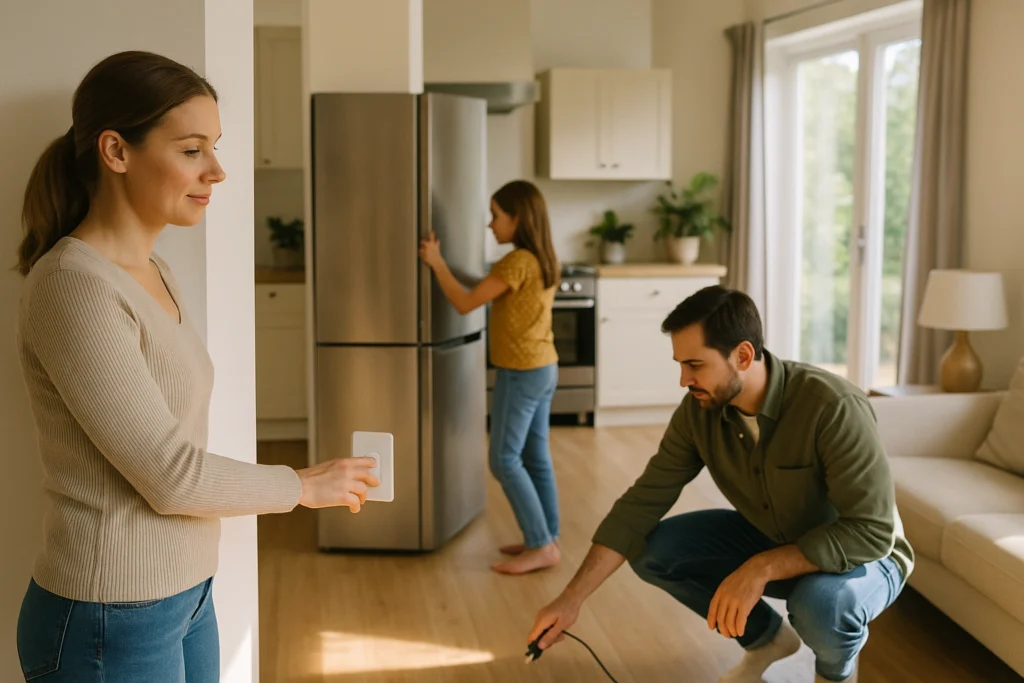
Are you concerned about the environment and want to help from home? What most people don’t realise is that you don’t need big changes or expensive upgrades to get started.
Simple habits like using less hot water, running full loads in your dishwasher, or turning off appliances when they’re not in use can make a real difference.
In this guide, you’ll find easy everyday habits that save power and help the planet. You’ll also learn which small changes save the most money and reduce emissions.
First, let’s look at where your energy is going.
Where Do Your Energy Bills Go Up Without You Noticing?
Most households lose money through three hidden energy drains: standby power, poor insulation, and hot water use.
Standby power is the most common one. Appliances on standby still draw electricity even when they seem switched off. That small red light on your TV or microwave means it is using power all day, and it can raise your bills more than you might expect.
Poor insulation around doors, windows, and floorboards is another sneaky drain. Warm air escapes in winter and cool air leaks out in summer, so your heating and cooling systems run longer than they should.
Hot water systems also use a large share of a home’s energy. Every shower, laundry load, and sink full of dishes requires energy to heat the water.
Hot Water Habits That Lower Your Bills Fast
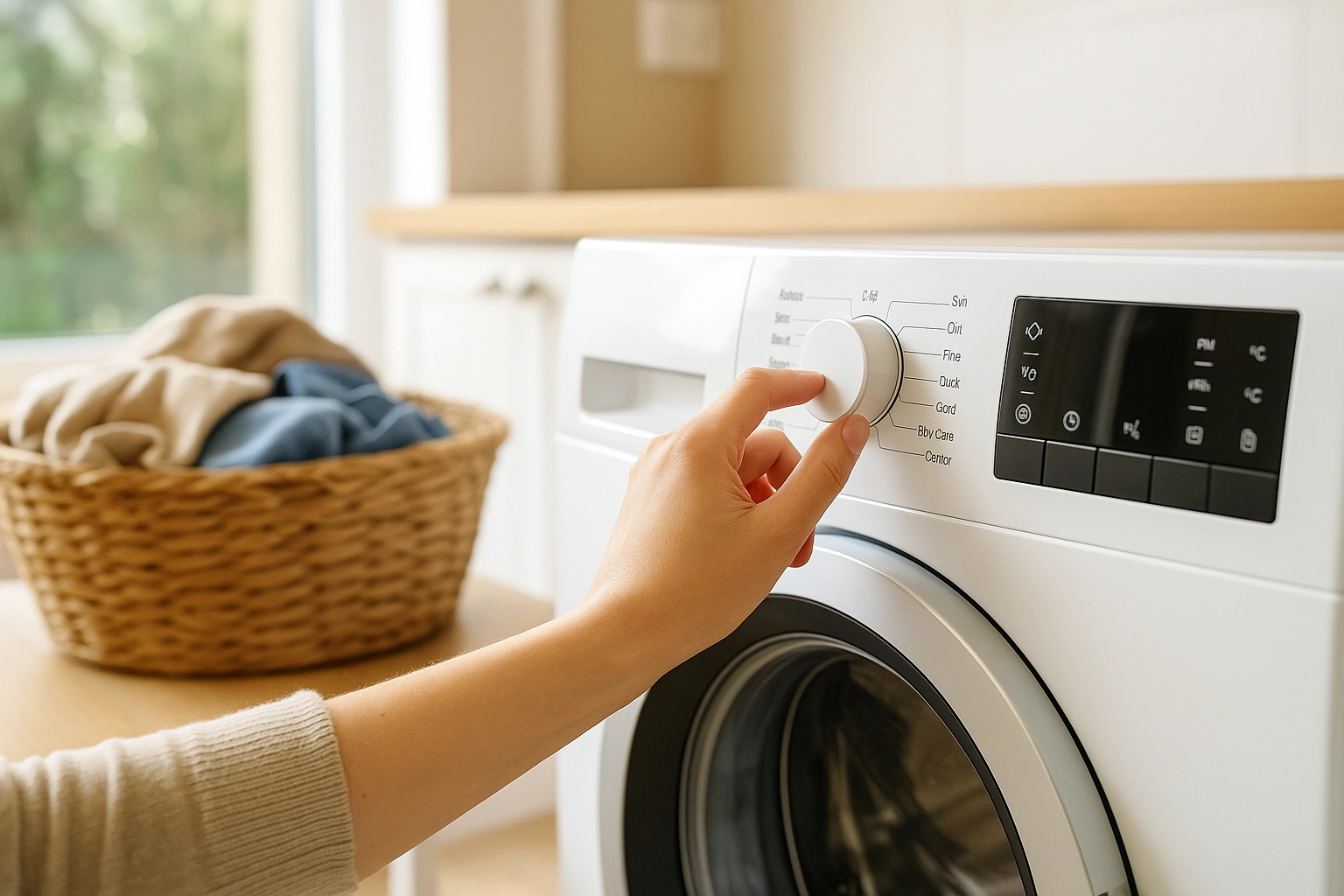
The best part about cutting hot water use is that you see results quickly. When we switched to cold water for washing clothes at home, our energy use dropped noticeably, and our bills fell by $30–40 in the first month. The first step we took was simple: using cold water for laundry instead of hot.
Cold Water for Washing Clothes
Did you know that heating water for laundry uses 85–90% of a washing machine’s total energy? That’s a lot of wasted energy you can avoid by simply switching to cold water. Modern detergents are just as effective in cold cycles. They remove stains without any heating costs.
Plus, washing in cold water helps your clothes last longer by preventing shrinkage and fading. Less energy used means fewer emissions from power plants.
Keep Showers Short
A shorter shower uses far less hot water, reducing both your bills and your household’s carbon footprint. That doesn’t mean you have to sacrifice comfort.
Using a low-flow showerhead keeps the water pressure strong by mixing air with the water, so your shower still feels satisfying while using less water. You might not notice the change right away, but over time, even small reductions help the environment.
Run Your Dishwasher Only When It’s Full
Half-empty dishwasher loads waste water and the energy needed to heat it. Running full loads reduces the number of cycles each week and saves both energy and water. Modern dishwashers clean most efficiently when full, so this simple habit maximises performance while reducing your environmental impact.
Standby Power: The Hidden Drain on Your Bills
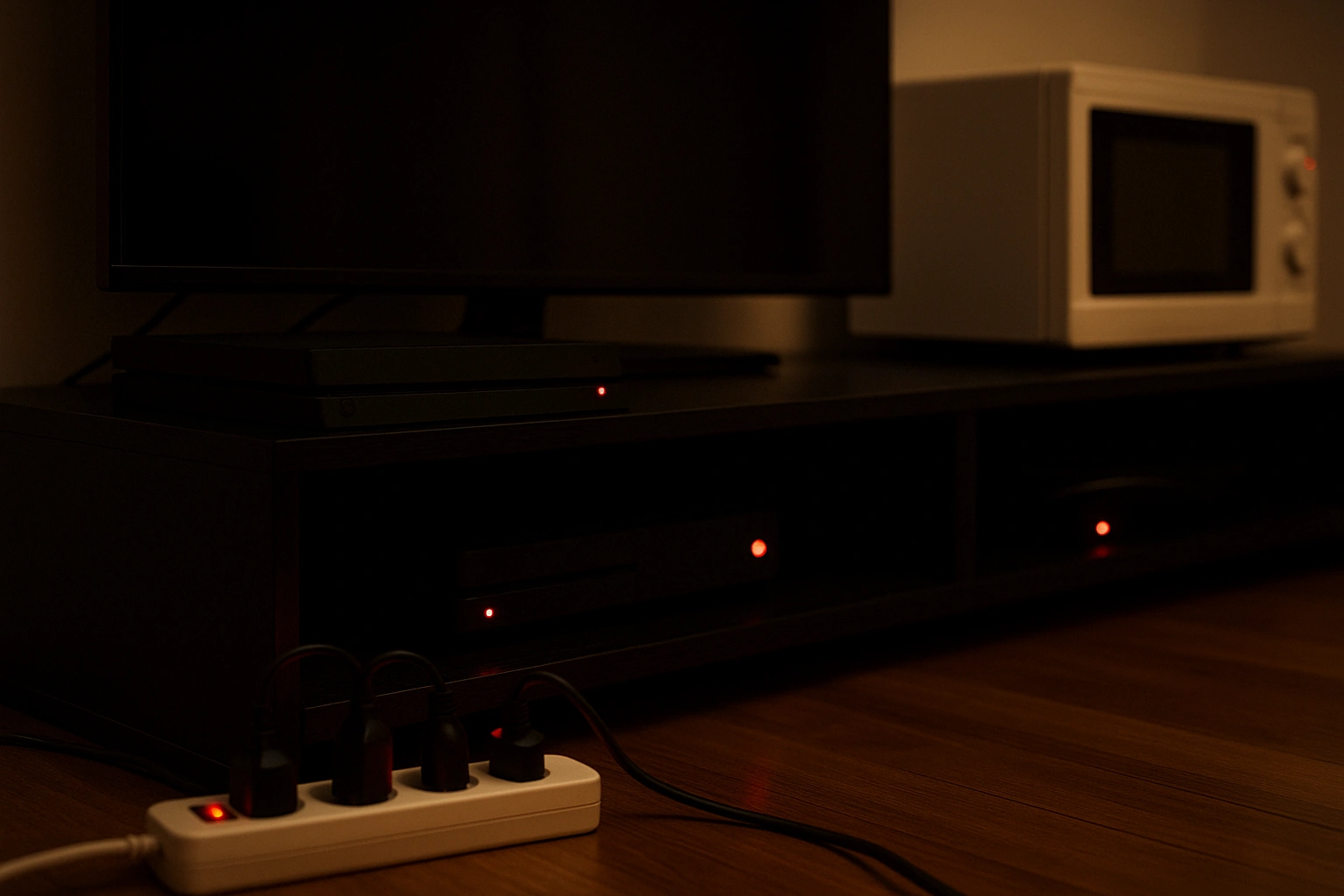
Ever notice the little lights glowing on your TV or microwave all night? That’s standby power. Appliances in sleep mode continue to draw electricity when switched off, and this unnecessary energy use contributes to higher carbon emissions.
Cut energy waste with these three simple habits:
- Turn Devices Off at the Wall: Completely powering down TVs, microwaves, and gaming consoles stops this waste.
- Unplug Chargers When Not in Use: Phone and laptop chargers still draw power even without a device connected.
- Use a Power Board With a Switch: Easily cut power to multiple devices at once to prevent unnecessary consumption.
These small changes reduce the amount of fossil fuels burned to generate electricity. Less wasted power means fewer greenhouse gas emissions going into the atmosphere.
Heating and Cooling Without Wasting Energy
According to energy.gov.au, heating and cooling can account for 20–50% of the energy used in Australian homes, depending on the climate. That means the way you set your thermostat and use fans can have a big impact on both your bills and the environment.
Let’s look at some simple ways to manage temperature more efficiently without sacrificing comfort.
What Temperature Should You Actually Use?
Setting your thermostat a bit lower in winter keeps you comfortable while preventing wasted energy. Aim for 18–20°C during colder months.
In summer, set your air conditioner to 25–27°C instead of cranking it down unnecessarily (trust us, your body won’t notice the difference, but the planet will). Every degree you adjust affects your energy consumption, reduces demand for heating and cooling, and helps cut fossil fuel use.
Ceiling Fans Work Better Than You Think
Most people run ceiling fans anticlockwise, even in summer, which pushes warm air down when you actually want it to rise. If you run them clockwise in summer, they pull warm air up and push cooler air down efficiently.
This reduces the need for air conditioning, so you use less electricity while still keeping rooms comfortable on mild days. Just remember to switch them off when leaving a room, because fans cool people, not empty spaces.
Draught Proofing Keeps Heat In (and Bills Down)

Sealing gaps around your home is one of the cheapest ways to reduce energy waste year-round. Gaps around doors, windows, floorboards, and skirting boards let warm air escape in winter and cool air leak out in summer, which forces your heating and cooling systems to use more power.
Try simple DIY fixes such as rolled towels, foam strips, or removable draught stoppers. They cost almost nothing and can make rooms feel 2–3 degrees warmer in winter. Checking and sealing one room at a time is a small step that adds up over your whole home.
While DIY fixes are a great start, for longer-term results, professional draught proofing can be worth the investment. Better insulation reduces heat loss, cuts energy use, and lowers greenhouse gas emissions.
Other Quick Fixes in Your Everyday Life
Beyond the big energy savers, there are smaller habits that add up over time. These quick fixes fit easily into your everyday life and help reduce your environmental impact.
- Air Dry Your Clothes: Skip the tumble dryer and use a washing line or indoor rack instead. Dryers use a lot of electricity, and air drying is completely free while being better for the environment.
- Switch Off Lights: Turn off lights when leaving rooms. It sounds obvious, but this simple habit prevents unnecessary electricity use throughout the day.
- Cook Efficiently: If the oven is already on, let it work harder for you. Cooking a couple of dishes at once saves time later and avoids heating the oven twice for no reason.
Simple enough, right? LED bulbs also use much less energy than old incandescent ones and last years longer, which makes them an easy swap for any home.
Start With One Habit Today
You don’t need to overhaul your whole routine to make progress. Pick one habit from this guide and begin there. Maybe it’s switching to cold water for laundry or turning appliances off at the wall.
Even a single change shifts your energy use in the right direction. You save money, ease pressure on the grid, and lessen your environmental impact without sacrificing comfort.
Each household that cuts energy waste helps reduce reliance on fossil fuels. Start with one simple habit today and build from there. Want more ways to live sustainably? Visit eco4theworld for practical tips on creating a greener home.