

Trying to live more sustainably can feel overwhelming. You see the news about climate change, scroll past posts about eco-friendly swaps, and think, “Where do I even start?”
You’re not alone in feeling stuck. Most Australians want to help the planet but don’t know which changes actually help and which are just noise.
This guide breaks down sustainable living into simple, doable steps. You’ll learn where to start with energy use, which food choices matter most, and how to reduce waste in ways that actually stick.
Let’s get into it.
What Is Sustainable Living? A Quick Breakdown
Sustainable living means making daily choices that reduce harm to the environment and preserve natural resources for future generations. It’s about using less energy, cutting waste, and being mindful of how your habits affect the planet.
The sustainable living basics come down to three things: reduce what you consume, reuse what you can, and choose options that don’t drain the earth’s resources.
Let’s break down what this actually looks like.
The Link Between Daily Habits and Climate Change
The Australian Bureau of Statistics reports that total national carbon emissions reached almost 466.4 million tonnes in 2023–24. This is largely due to everyday activities like driving, heating homes, and buying stuff, which pump greenhouse gases into the atmosphere.
When millions of people cut back on these habits, it slows the damage. Australia’s already dealing with worse bushfires and droughts, and these will only intensify if we don’t reduce our environmental footprint.
Understanding Your Carbon Footprint
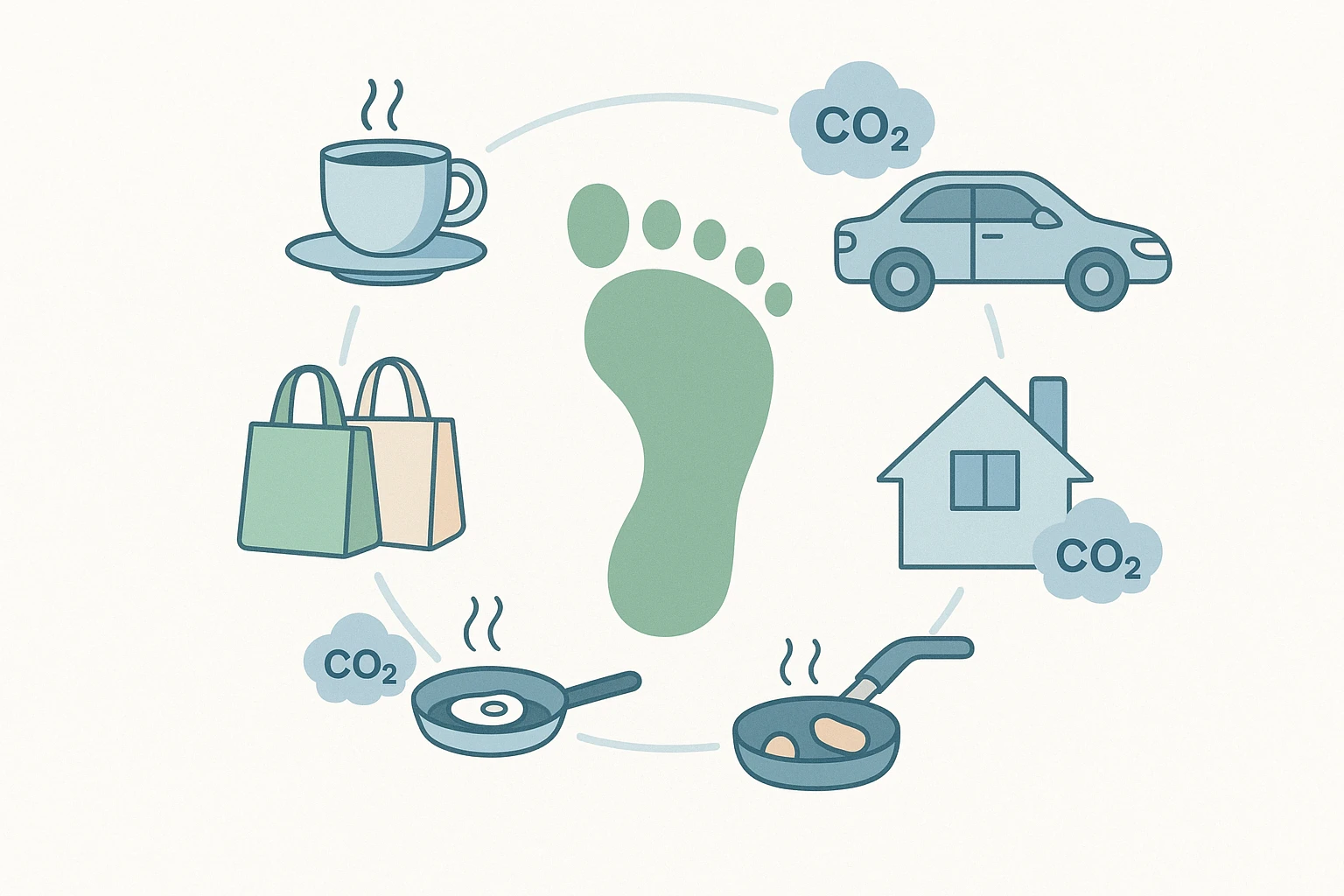
Your carbon footprint tracks how much greenhouse gas your lifestyle produces. Sounds complicated, right? It’s actually not.
Everything from your morning coffee to your weekend road trip adds carbon dioxide to the atmosphere. So if you track these habits, you can spot which ones create the biggest problems. Once you know where the damage comes from, you can reduce your carbon footprint in the areas that count most.
Starting Eco-Friendly Living
The good news is you don’t need to overhaul your entire life. Pick one area, like energy or waste, to focus on first. This makes eco-friendly living feel manageable instead of impossible.
In our experience, small daily swaps create lasting habits without breaking the bank or stressing you out. Maybe you start with reusable bags or switching off appliances at the wall. The truth is, building a more sustainable lifestyle happens one change at a time (and that’s perfectly fine).
Where Should You Start with Home Energy Use?
Start with the major energy drains in your home: heating, cooling, and appliances that run constantly. Focusing on these first helps you lower both your bills and your carbon footprint. That’s because heating, cooling, and always-on appliances account for the bulk of household electricity use, so even small improvements here create the biggest savings.
Here’s where to start.
Switching to Energy-Efficient Appliances
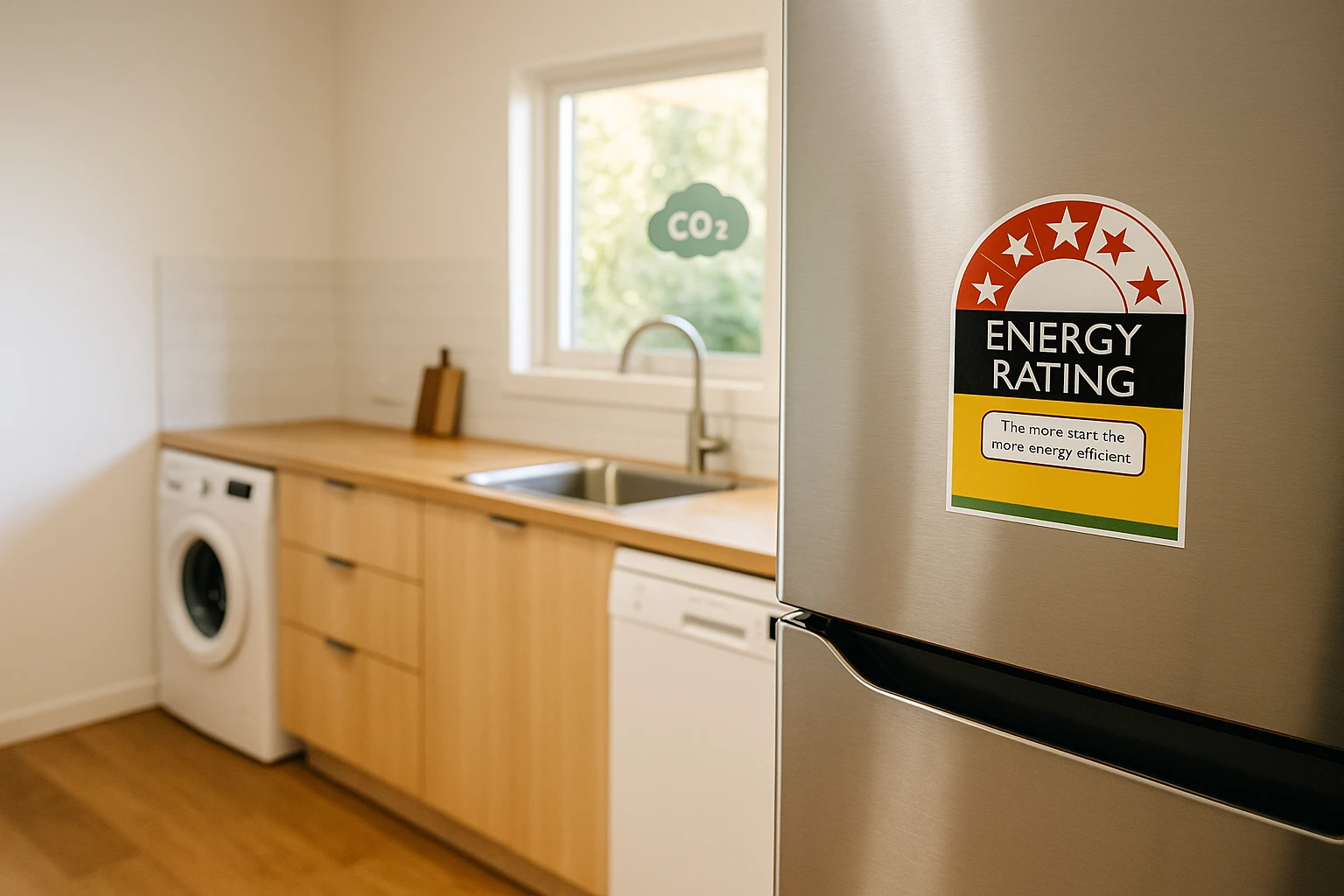
Upgrading your appliances is one of the easiest ways to lower both your bills and your footprint. Based on our research, modern appliances use 30-50% less electricity than older models from 10 years ago (yes, that old fridge from 2008 is working against you).
For example, a 350‑litre 4‑star fridge uses 250 kWh/year, compared to 422 kWh for a 2‑star model. You’re saving almost 40% electricity per year.
That’s why you should look for high star ratings when replacing fridges, washing machines, and dryers. And the best part is that upfront costs usually pay back within 2–3 years through lower energy bills.
Cold Water vs Hot Water for Laundry
Ever wondered if that hot wash cycle is actually worth it? For most loads, it’s not. Heating water is the main energy drain in your washing machine, which means cold water washing slashes that cost immediately.
We’ve tested this ourselves with everything from workout gear to muddy kids’ clothes. Washing in cold water saves energy since the machine doesn’t have to heat the water (which is the main energy drain in laundry)
Unplugging Your Electronic Devices
Devices left on standby still draw power, even when you are not using them. That “off” TV or appliance is quietly wasting electricity while you sleep.
The reason is simple. Chargers, TVs, and computers keep drawing energy unless they are completely unplugged. However, using power boards with switches makes it easy to cut phantom energy without having to crawl behind furniture every night.
Pro Tip: Label your power boards so everyone in the household knows which devices are on each one. This makes it easier to switch off the right things without accidentally unplugging your internet router.
Food Choices That Help Fight Climate Change
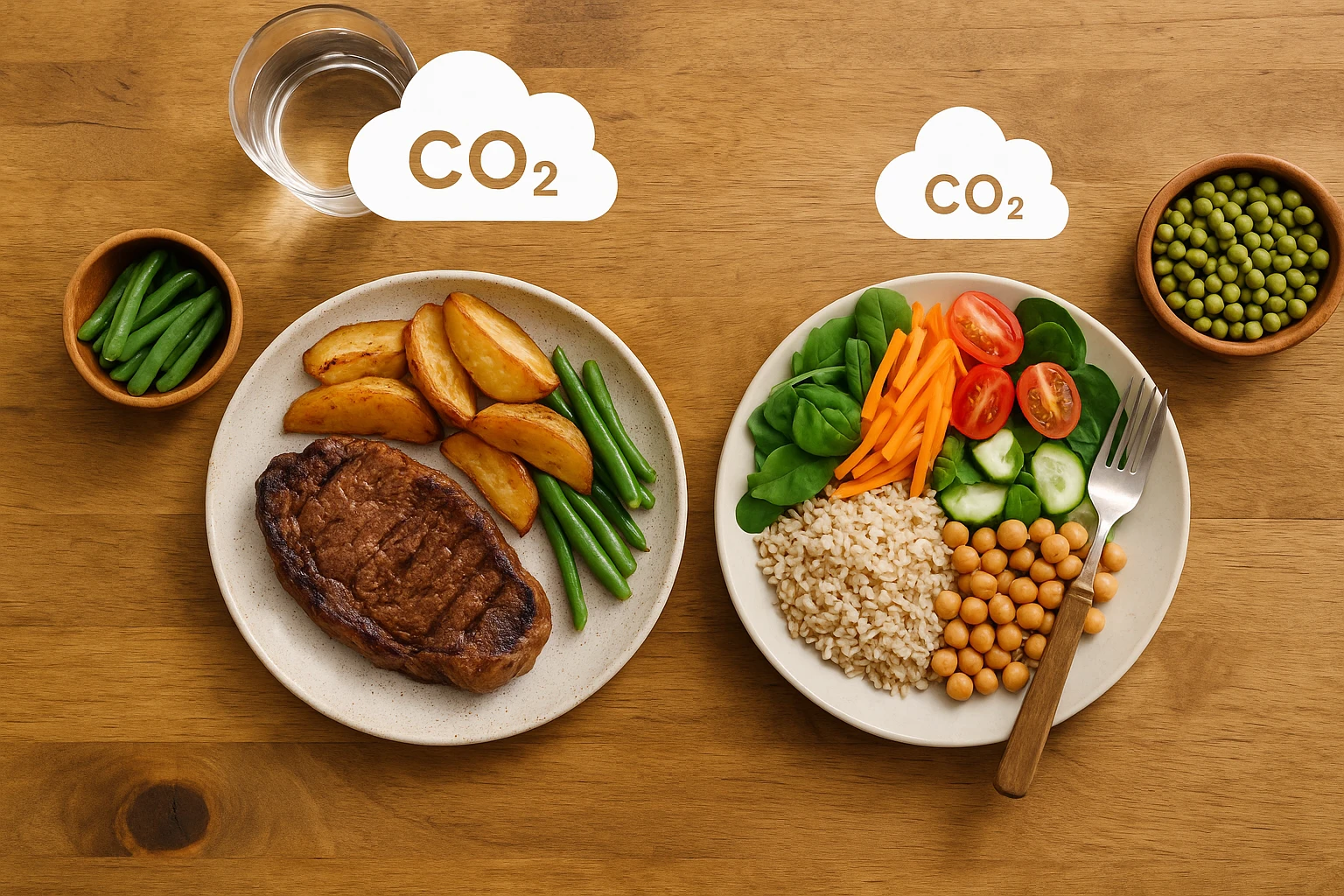
What you eat affects the climate more than how you get around. The thing most people don’t realise is this: animal agriculture produces more greenhouse gas emissions than all global transport combined.
So what does this mean for you? Eating less meat and dairy can reduce your carbon footprint by a significant amount. That’s a huge impact from something as simple as swapping a few meals each week.
Local seasonal produce also helps because it cuts transport emissions and supports Australian farmers instead of shipping food halfway across the world.
That doesn’t mean you have to give up meat entirely. Even a few plant-based meals each week can reduce greenhouse gas emissions, lower water use, and preserve habitats. All without going fully vegetarian.
Beyond carbon emissions, our food production choices affect land use, water consumption, and biodiversity loss across the entire food chain. For example, livestock farming clears native habitats, uses large amounts of water, and reduces plant and animal diversity.
Making small changes in what you buy at the grocery store can create ripple effects throughout the entire system.
Plastic Waste: How to Cut Back in Everyday Life
Australia consumes a large amount of plastic each year of plastic per person each year, but most of it never gets recycled. Over time, those discarded items break down into microplastics that pollute oceans and end up in the food chain.
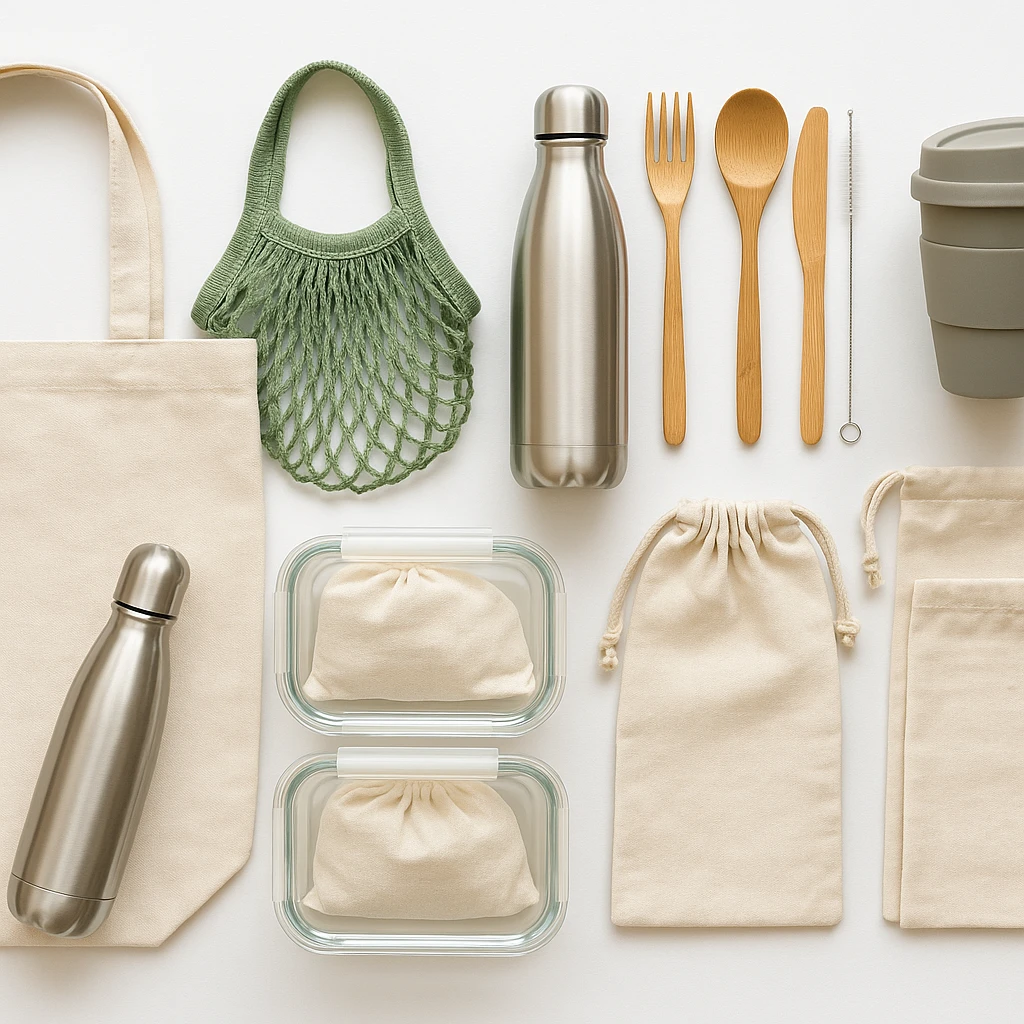
After trying reusable alternatives for a few months, we’ve found three simple ways you can cut back on plastic waste:
- Switch to Reusable Items: Replace shopping bags, water bottles, and coffee cups with ones you can use again and again. A reusable water bottle alone replaces around 150 plastic bottles per year. And reusable bags stop you from collecting that guilty stash under the sink.
- Pick Products with Minimal Packaging: When you’re at the grocery store, grab loose fruit and veg instead of pre-packaged options. Cardboard packaging beats plastic every time since it breaks down faster.
- Say No to Single-Use Plastics: Refuse plastic cutlery and straws when ordering takeaway. Bring your own containers for leftovers, too. That way, restaurants cut back on waste while you maintain your more eco-friendly lifestyle with this one change.
The best part is that these swaps are affordable and easy to fit into your routine. Start with one or two changes and build from there.
Kitchen Habits That Reduce Food Waste
Wasting less food saves money and keeps methane out of landfills. The problem is, food waste in landfills creates methane, a greenhouse gas worse than carbon dioxide. So when you reduce food waste, you’re tackling two problems at once: your budget and the climate crisis.
To cut back on what you’re throwing out, start with these three kitchen habits:
- Plan Your Meals Before Shopping: Check what’s already in your fridge before heading to the grocery store. This prevents overbuying and ensures you use perishables before expiry.
- Store Vegetables Properly in Crisper Drawers and Airtight Containers: Keeping produce in the right conditions extends freshness. We’ve found that this alone adds days to the life of leafy greens and herbs.
- Freeze Leftovers and Food Scraps for Later Use: Turn edible food into future meals instead of binning it. Set up a compost bin for organic waste that can’t be saved, turning it into nutrients instead of methane.
These simple steps help you move toward zero waste without overhauling your entire routine (that’s grocery money staying in your pocket).
Simple Ways to Save Water (Beyond Ditching the Bottle)
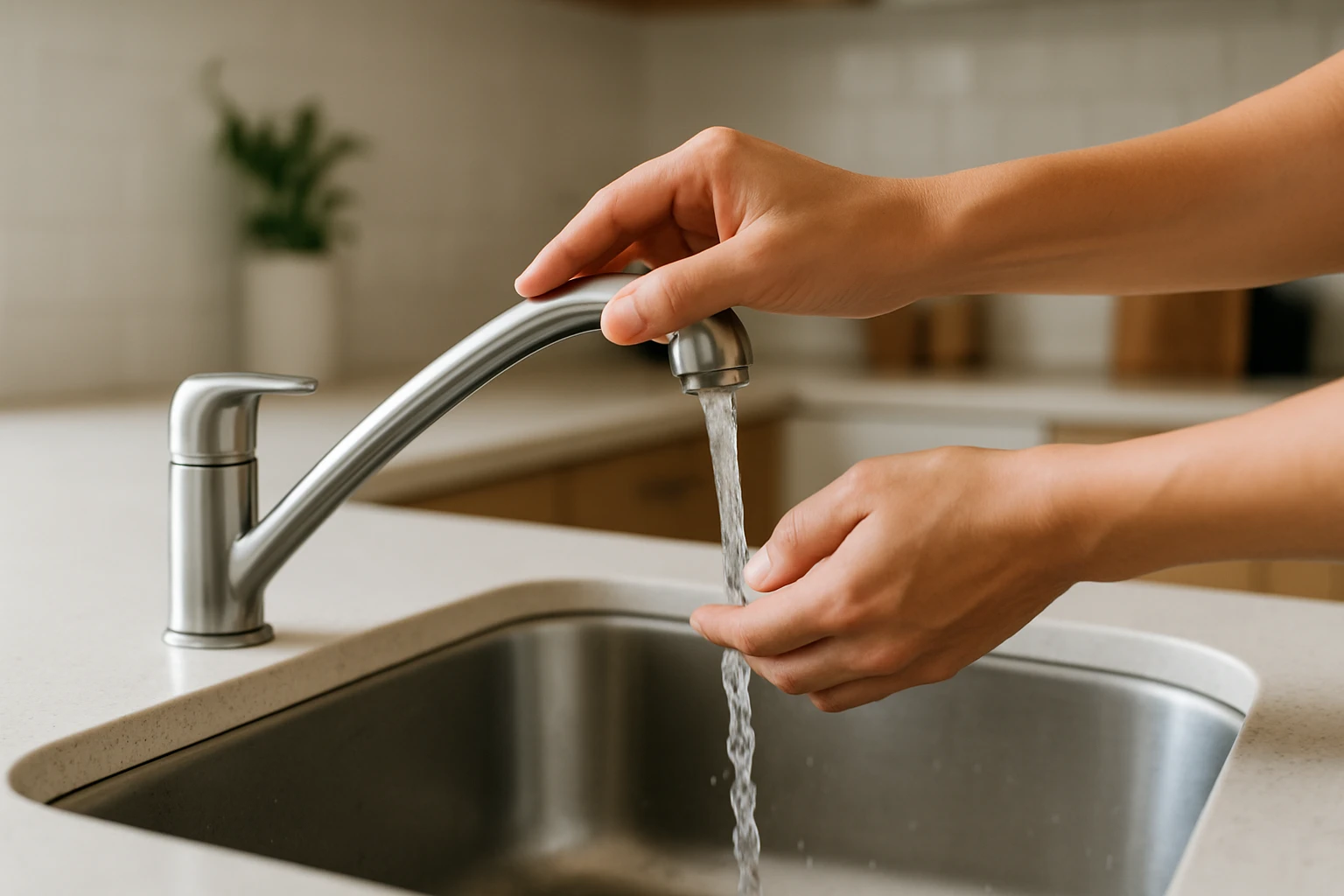
Do you think skipping bottled water is enough? Well, it’s not. The real savings come from how you use water throughout your home. This is where changes have the greatest effect on both your energy use and your bills.
Before we get into daily habits, let’s look at why bottled water creates problems in the first place.
Why Bottled Water Does More Harm
Bottled water wastes resources at every stage, from production to disposal. Manufacturing one plastic bottle requires three times more water than it holds. Wild, isn’t it?
Even worse, only a small fraction of bottles get recycled in Australia, while most end up polluting ecosystems for decades.
On the bright side, tap water in Australian cities meets strict safety standards and costs virtually nothing. So there’s an easy solution: switch to a reusable bottle for your drinking water, and you eliminate this waste.
Daily Water-Saving Tricks
Small changes in your routine can save thousands of litres each year. Start with your showers: cutting just two minutes can save a significant amount per person.
Another big issue is leaky taps. A single drip wastes thousands of litres annually (and money along with it). You can also collect shower warm-up water in buckets to water gardens. Once you start tracking your water usage, you’ll spot even more ways to save water without feeling restricted.
Green Living Starts with What You Buy
You’ve already made progress with energy, food, and water. Now it’s worth taking a closer look at what you bring into your home. Every purchase drives demand for new products and contributes to the waste that ends up in landfills.
Making better choices doesn’t mean giving up quality or style. Here are some ways to make your purchases more eco-friendly:
- Buy Secondhand When Possible: Reduce manufacturing demand and waste by choosing pre-owned items. Op shops and online marketplaces have quality pieces that last years instead of feeding into fast fashion waste.
- Choose Sustainable Materials: Look for items made from bamboo, recycled plastic, or other eco-friendly materials. These reduce the strain on natural resources.
- Support Transparent Brands: Transparency shows the company cares about its environmental impact. Local businesses in your local community often have better practices.
- Invest in Durable Items: Sometimes you need to bite the bullet on upfront costs for items that actually last. You’ll save money long-term and create less waste.
- Borrow Or Rent Tools You Rarely Use: Power tools and camping gear don’t need to sit in your garage collecting dust. Check with neighbours or tool libraries in the local community.
These purchasing habits make your eco-friendly lifestyle stick because they save money while helping the environment.
Ready to Start? Here’s Your Action Plan
You don’t need to do everything at once to see real results. Start with your highest impact area based on current habits. Maybe that’s cutting energy use, or maybe it’s food waste.
Set monthly goals and celebrate small wins to build momentum. Even one eco-friendly lifestyle change per month adds up to twelve in a year. Connect with local sustainability groups for support and ideas when you need fresh motivation.
At the end of the day, progress beats perfection in building a sustainable life. Every step toward environmentally friendly living makes a positive impact on climate change and builds a sustainable future for everyone.
For more ideas and inspiration on living sustainably, check out Eco4theWorld.