
Solar energy doesn’t get enough credit in the United States. While European countries have embraced the power of the sun, it’s much less widely used in America. In 2013, renewable energy sources only accounted for approximately 10% of total energy consumption and 13% of electricity generation in the U.S (EIA). Many people shy away from it because of the initial investment, not realizing that there are many ways they can incorporate it into their lives.
What Is Solar Energy?
Solar energy uses the power of the sun to power electricity instead of traditional electricity. However, the usage of solar energy is divided into two categories:
- Passive solar energy
- Active solar energy
Passive solar energy does not power electricity, instead is provides heat and light. Investing in passive solar doesn’t usually require a hefty investment and home owners can purchase hot water systems to heat their home’s water or even purchase systems to heat their pools.
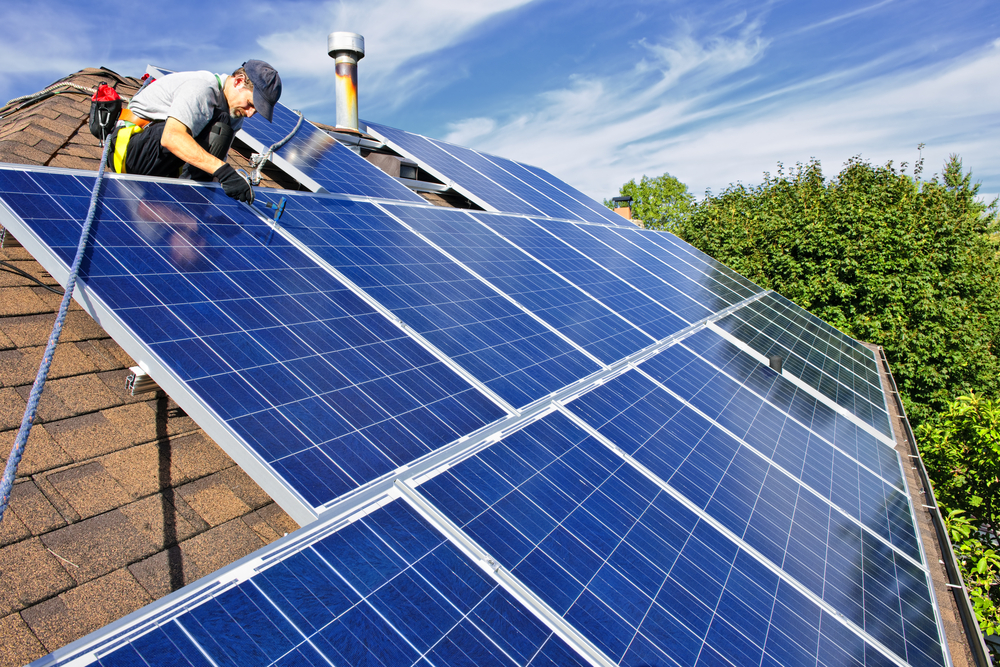
Active solar technology requires the use of solar cells to create electricity from the sun. These are placed on solar panels, which are then placed directly in the sunlight. When the sun comes into contact with these cells, a chemical reaction occurs, creating electrical charges. These charges then pass through an inverter, which convert the direct current to alternating current electricity. It is then stored in batteries for later use. These systems are significantly more expensive than passive energy but the lifetime savings of not having to use standard electricity can quickly make the costs worth it.
Pros and Cons of Using Solar Energy

Pros
- It’s free after the initial investment!
- It creates absolutely no pollution
- It reduces the pesky interruption of power outages.
- There is no worry about the costs of energy–which are rising annually.
- It exponentially increases the value of a home.
Cons
- Getting and storing energy is limited to daylight hours.
- There is a high upfront cost.
- The location of the home requires sufficient sunlight, so homes in areas with heavy shade or frequent cloudy days may not be able to fully utilize solar energy.
How Can Solar Energy be Incorporated Into a Home?
There are numerous ways solar energy can be incorporated into a home to both save money on energy costs and to minimize that home’s carbon footprint on the environment.
Solar Tubes
Solar tubes brighten a house considerably using no electricity and can be installed for a much lower cost than a skylight. These tubes are 10-14 inches in diameter and are constructed of sheet metal. The inside acts like a mirror and shines bright light into the room.
Solar Water Heating
Water is collected in a tank that’s heated by solar panels. The household water is pumped through the collectors and into the home.
Solar Outdoor Lighting
Using solar energy doesn’t have to be complex! Outdoor lighting that collects sunlight during the day and stays brightly lit at night is a cheap way to save costs on electricity.
Solar energy is wallet and earth friendly, two very important things in this day and age. A solar energy system can be as complex or as simple as a home owner wants but the result is always the same: lower bills and a happier Mother Nature.
Author Bio
Aubrey Moulton is a writer for strobesusa.com. In her spare time she loves to read and go hiking.